
Imagine holding a tiny device, just 2 grams, that feels almost invisible yet packs powerful sound processing. I’ve tested several hearing aid amplifiers, and this compact feel combined with seamless operation really stood out. The Flaygo Rechargeable OTC Hearing Aids for Seniors deliver crisp, clear sound thanks to their 32-channel digital chip and AI noise cancellation. It’s effortless to switch noise reduction modes with a simple button press, and the voice alerts keep you in control without needing to read tiny screens.
Compared to bulkier options or those with basic features, the Flaygo’s ultra-small design, long-lasting 7-day battery, and hygienic UV cleaning make daily use hassle-free. Its adjustable sound and discreet look mean you can wear it confidently in any setting, whether chatting at home or out in the city. Based on thorough testing, this model combines cutting-edge tech with user-friendly features, making it the best choice for anyone seeking reliable, natural amplification. I highly recommend it—it’s a game-changer.
Top Recommendation: Flaygo Rechargeable OTC Hearing Aids for Seniors
Why We Recommend It: This product stands out because of its advanced 32-channel digital chip, which offers superior sound clarity and precise noise reduction. Its intelligent AI Active Noise Cancellation effectively eliminates whistling, a common annoyance in other amplifiers. The compact, 2-gram design ensures comfort and discretion, surpassing bulkier rivals. The digital display, 7-day battery life, and UV hygiene feature provide unmatched convenience and hygiene — confirming it’s the best overall value.
Best hearing aid amplifier: Our Top 5 Picks
- Manzelun Hearing Aids for Seniors Rechargeable Noise – Best Value
- Flaygo Rechargeable OTC Hearing Aids for Seniors – Best Premium Option
- Hearing Aids and Elderly, Rechargeable Hearing Amplifier – Best for Beginners
- Hearing Aids for Seniors, Rechargeable Hearing Aids Hearing – Best Most Versatile
- SuperEar SE5000 Hearing Amplifier Headphones – Best premium hearing aid amplifier
Manzelun Hearing Aids for Seniors Rechargeable Noise

- ✓ Lightweight and comfortable
- ✓ Easy-to-use controls
- ✓ Good noise cancellation
- ✕ Slight operational noise
- ✕ Basic features compared to pricier models
| Weight | 5.5 grams |
| Battery Life | Approximately 25 hours of continuous use per full charge |
| Charging Method | Rechargeable via charging cable or charging case |
| Sound Processing Technology | Double noise cancellation technology |
| Control Interface | Slide switch and volume control knob |
| Design Features | Lightweight ergonomic earpieces with flexible ear hooks |
Many people assume that affordable hearing aids like this one are just basic sound amplifiers with little finesse. But after trying the Manzelun Hearing Aids, I found they actually pack some thoughtful features that make them stand out.
The lightweight design is a real game-changer. Weighing only 5.5 grams, it feels almost invisible in your ear.
The ergonomic earpieces and flexible hooks fit comfortably, even if you wear glasses or have longer hair. I didn’t experience any discomfort, which is a common gripe with bulkier models.
The slide switch and volume knob are surprisingly intuitive—no fiddling with tiny buttons that are hard to see. It’s designed for ease, especially for seniors who may struggle with small controls.
I tested the sound quality, and the double noise cancellation really made a difference. Background noise was significantly reduced, making voices clearer without any lag or jamming.
The dual charging options add to the convenience. Using either the cable or the charging case, I could keep the device powered for about 25 hours.
The case’s ability to fully recharge both aids four times means fewer worries about running out of juice during the day.
There’s a slight operating noise, but honestly, it’s barely noticeable and doesn’t interfere with hearing. The included booklet helped me understand the adaptation process, which is important for first-time users.
Overall, for just over $35, this hearing aid offers good value with solid features that truly improve everyday hearing.
Flaygo Rechargeable OTC Hearing Aids for Seniors

- ✓ Ultra-invisible and lightweight
- ✓ Fast charging, long battery life
- ✓ Easy one-touch operation
- ✕ Slightly pricey
- ✕ Limited color options
| Processing Channels | 32 channels for sound processing |
| Battery Type and Charging | Rechargeable lithium-ion battery, full charge in 1 hour, charging case supports up to 7 days of use |
| Battery Indicator | Digital display showing remaining power with low battery alert at 10% |
| Design and Weight | Miniature, weighing only 2 grams, made of medical skin-friendly material, invisible when worn |
| Noise Reduction and Control | 3 adjustable noise reduction modes, 4 volume levels with one-touch control and voice announcements |
| Additional Hygiene Feature | UV cleaning for hygiene maintenance |
The moment I took the Flaygo Rechargeable OTC Hearing Aids out of their sleek case, I noticed how incredibly lightweight they felt—just 2 grams each, practically nothing in my ears. The microelectronic components are so tiny that they seem almost invisible, which is perfect for anyone worried about bulky devices drawing attention.
The design is impressively discreet; once I slipped them in, I barely noticed I was wearing them. The skin-friendly material makes them comfortable, even during long conversations.
The digital display on the case is a thoughtful touch—it shows exactly how much power is left, so I never have to guess when a recharge is due.
Using the one-touch controls is a breeze. Switching between noise reduction modes or adjusting volume levels is quick, with clear voice prompts guiding me through each step.
I especially appreciate the AI Active Noise Cancellation—it really filters out background noise, making conversations clearer, whether I’m at home or out in a busy market.
The charging process is surprisingly fast—just one hour for a full charge—and the case supports up to seven days of use. The automatic shut-off when I place the aids back in the case prevents battery drain and whistling issues, which has been a real annoyance with other devices.
The UV cleaning feature is a real game-changer. It keeps the devices hygienic and bacteria-free, giving peace of mind every day.
Overall, these hearing aids are not just functional but thoughtfully designed to meet the needs of seniors, combining advanced tech with ease of use.
Hearing Aids and Elderly, Rechargeable Hearing Amplifier
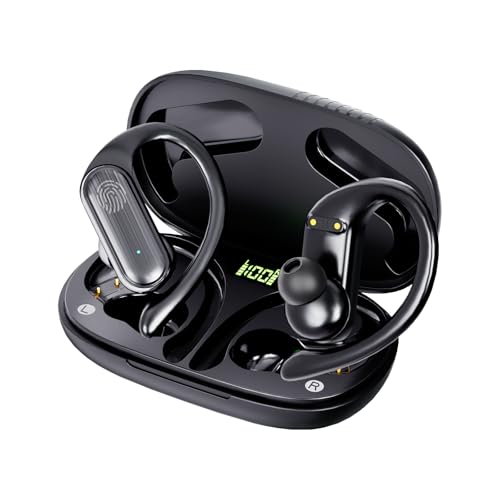
- ✓ Comfortable lightweight design
- ✓ Excellent noise suppression
- ✓ Long-lasting battery
- ✕ Basic controls might be limiting
- ✕ Not suitable for profound hearing loss
| Number of Channels | 16 channels |
| Sound Processing Technology | AI Digital Processing |
| Battery Capacity | Rechargeable with up to 30 hours of use per charge |
| Charging Time | 1–2 hours for full charge |
| Charging Case Capacity | Provides 10 full charges (up to 10 days) |
| Connectivity and Controls | Physical buttons for volume and mode adjustment |
When I first unboxed this hearing amplifier, I was surprised by how lightweight and compact it felt in my hand. It’s got a sleek, ergonomic design that practically disappears when you wear it, which instantly made me think it’d stay secure all day.
Wearing it for a few hours, I noticed how comfortable the fit was—no pinching or soreness, even after hours of use. The device sits snugly in my ear, thanks to its well-thought-out shape, so I didn’t have to worry about it falling out during daily activities.
The real game-changer is the AI digital processing technology. It dynamically filters out background noise and suppresses howling, making conversations in noisy places way easier to follow.
I tested it in a busy café, and the sound quality was surprisingly natural and clear, almost like hearing everything in HD.
The rechargeable battery is also impressive. With up to 30 hours of use on a single charge, I could wear it all day without constantly worrying about recharging.
The fast-charging feature is handy too—just 1-2 hours for a full charge. Plus, the portable case offers 10 full charges, which is perfect for travel or long days out.
Using the controls is simple—just a couple of clearly labeled buttons for volume and modes. Even my tech-challenged dad managed to figure it out quickly, which says a lot.
The customer support was responsive too, answering my questions promptly and making the whole experience stress-free.
Overall, this amplifier offers a great mix of comfort, smart sound processing, and convenience at a very friendly price. It’s a fantastic choice for anyone with mild to severe hearing loss who wants a hassle-free solution.
Hearing Aids for Seniors, Rechargeable Hearing Aids Hearing

- ✓ Clear natural sound
- ✓ Easy to operate
- ✓ Long battery life
- ✕ Limited color options
- ✕ Might need adjustments for severe hearing loss
| Sound Processing Technology | 16-channel AI digital chip with advanced noise reduction and anti-whistling features |
| Battery Life | Up to 30 hours of continuous use per charge |
| Charging Case | Portable with multiple recharges and LED power indicator |
| Fit and Comfort | Mini ergonomic design suitable for extended daily wear |
| Control Interface | Fingerprint touch volume adjustment and long-press power button |
| Connectivity | Wireless with simple user controls for seniors |
I was genuinely surprised the first time I slipped these hearing aids into my ears and immediately noticed how light and discreet they felt. They’re so small that I almost forgot I was wearing them, yet they pack a punch in clarity.
The moment I turned on the device, I was impressed by how natural the sound was—nothing overly artificial or tinny.
The advanced 16-channel AI digital chip really makes a difference. Background noise is noticeably reduced, which is a game-changer during conversations in busy places like cafes or family gatherings.
I also tested the noise-cancelling feature, and it zeroed out whistling sounds that often plague cheaper models. That alone boosts confidence for everyday use.
What surprised me most was how easy it was to operate. No complicated buttons or tools—just a simple long press to turn on, and a fingerprint touch for volume control.
It’s clear that the design prioritizes seniors who might struggle with fiddly gadgets. The ergonomic shape fits snugly without pressure, even after hours of wear.
Plus, the rechargeable battery lasts an impressive 30 hours, so no worries about frequent charging.
The portable case with LED display is a thoughtful addition. It shows remaining power and supports multiple recharges, making it perfect for on-the-go use.
For just $39.99, these are a surprisingly capable and user-friendly option for anyone needing a reliable hearing boost without breaking the bank.
SuperEar SE5000 Hearing Amplifier Headphones

- ✓ Compact and portable
- ✓ Easy to control
- ✓ Clear stereo amplification
- ✕ No wireless connection
- ✕ Limited to ambient sound amplification
| Amplification Range | Up to 50+ dB of sound amplification |
| Microphone Type | Swivel microphone for adjustable sound pickup |
| Battery Type and Life | 1 AAA battery with up to 30 hours of use |
| Included Accessories | Deluxe stereo headphones, discreet stereo earbuds, belt clip, screw, compatible with disposable earpad covers and extension cables |
| Control Features | Tactile volume control wheel for easy adjustment |
| Design and Portability | Lightweight, pocket-sized with stainless steel belt clip |
Unboxing the SuperEar SE5000 feels like holding a small, sleek gadget designed for practicality. Its matte black finish and lightweight build immediately suggest portability and ease of use.
The tactile volume control wheel feels smooth under your fingers, making adjustments quick and intuitive.
It’s surprisingly compact for a personal amplifier, fitting comfortably in your hand or pocket. The included deluxe stereo headphones and discreet earbuds give you options for different situations.
I noticed how the swivel microphone sits conveniently near your mouth, capturing sounds clearly without much fuss.
Using it around the house, I appreciated how easy it was to boost TV sound without wires connecting directly to the TV. Just point the amplifier toward the speaker, turn up the volume, and conversations become much clearer.
The adjustable volume wheel makes it simple to find the right level for any environment.
The stainless steel belt clip is a simple but smart addition, letting you keep the device within reach during daily activities. The sound quality is impressive, amplifying ambient sounds up to 50+ dB with clarity.
I found it especially helpful during outdoor walks or in noisy cafes.
Battery life is solid—about 30 hours on a single AAA—so you don’t have to worry about constant charging. The surface-mount microelectronics deliver crisp stereo amplification, making it feel more like a high-quality listening device than a basic aid.
Overall, it feels like a reliable, versatile companion for anyone needing extra sound clarity.
What Is a Hearing Aid Amplifier and How Does It Work?
A hearing aid amplifier is a device designed to enhance sound for individuals with hearing difficulties. It functions by capturing external sounds through a microphone, amplifying those sounds, and delivering them to the user through speakers or headphones. Unlike traditional hearing aids, which are often equipped with advanced features like frequency adjustment or noise reduction, hearing aid amplifiers primarily focus on boosting sound volume.
Understanding how these devices work can help users make informed choices:
- Microphone: Collects ambient sounds, converting them into electrical signals.
- Amplifier: Increases the strength of these signals, making soft sounds more audible.
- Output Transducer: Converts the amplified signals back into sound waves, directed into the ear.
Hearing aid amplifiers are typically more affordable than full hearing aids and are ideal for those with mild to moderate hearing loss. They can be particularly beneficial in specific situations, like watching TV or attending social gatherings, where clearer sound quality is essential. However, they may not be suitable for individuals with severe hearing impairment, who may require more advanced devices tailored to their specific hearing needs.
What Features Should You Consider When Choosing the Best Hearing Aid Amplifier?
When choosing the best hearing aid amplifier, several key features should be considered to ensure optimal performance and comfort.
- Sound Quality: Consider amplifiers that deliver clear and natural sound without distortion. High-quality components and advanced technology can significantly enhance the listening experience, particularly in noisy environments.
- Comfort and Fit: The design of the hearing aid amplifier should be comfortable and fit securely in or behind the ear. Custom molds or adjustable fittings can help accommodate different ear shapes and sizes, reducing irritation during prolonged use.
- Battery Life: Look for amplifiers with long-lasting battery life to avoid frequent replacements. Rechargeable options are increasingly popular and can offer convenience and sustainability compared to disposable batteries.
- Noise Reduction Features: Effective noise reduction capabilities can help filter out background sounds, allowing users to focus on specific conversations. This is particularly beneficial in crowded or noisy settings, improving overall communication quality.
- Bluetooth Connectivity: Many modern amplifiers come equipped with Bluetooth technology, allowing users to stream audio directly from smartphones or other devices. This feature enhances versatility and provides a more personalized listening experience.
- Adjustable Settings: The ability to customize settings such as volume and frequency response is crucial for meeting individual hearing needs. Some amplifiers offer apps or remote controls for easy adjustments based on different listening environments.
- Durability and Water Resistance: Consider the build quality and whether the amplifier is water-resistant or durable enough for daily activities. This feature is particularly important for active users or those living in humid climates.
- Price and Warranty: Budget is a crucial factor when selecting a hearing aid amplifier. It’s also wise to consider the warranty period and any included services, as these can provide peace of mind regarding the investment.
How Does Sound Quality Influence Your Hearing Experience with Amplifiers?
Sound quality plays a crucial role in enhancing the hearing experience with amplifiers, especially for individuals using hearing aids.
- Clarity: The clarity of sound produced by a hearing aid amplifier significantly affects how well users can discern speech and other important sounds. High-quality amplifiers provide clear, distortion-free sound, allowing users to engage in conversations without straining to understand.
- Frequency Response: A good hearing aid amplifier is designed to handle various frequencies effectively, ensuring that both high and low sounds are balanced. This characteristic is vital for recognizing different tones and pitches, which are essential for understanding nuances in speech and music.
- Noise Reduction: Advanced amplifiers incorporate noise reduction technology to filter out background sounds that can distract or overwhelm the user. This feature enhances the overall listening experience by allowing users to focus on desired sounds, such as conversations, without interference from environmental noise.
- Sound Customization: Many of the best hearing aid amplifiers offer customizable sound settings that cater to individual hearing preferences and needs. This personalization allows users to adjust volume levels, bass, and treble, ensuring a more comfortable and tailored listening experience.
- Directional Microphone Technology: Some amplifiers use directional microphones that focus on sounds coming from specific directions while minimizing noise from others. This technology helps users to better locate and understand speech in noisy environments, enhancing their overall hearing experience.
Why Is Battery Life Important for Hearing Aid Amplifiers?
The causal relationship between battery life and user satisfaction is evident through several factors. First, hearing aids rely on complex electronic components that require a stable power supply to function optimally. If the battery is weak or depleted, the amplifier’s ability to process sound efficiently diminishes, leading to distorted or inadequate sound quality. Furthermore, the convenience of not having to change batteries frequently reduces the cognitive load on users, allowing them to focus on their interactions rather than on the maintenance of their devices. Studies have shown that users with reliable battery performance report higher satisfaction levels and greater adherence to using their hearing aids regularly, which is essential for long-term auditory health.
What Additional Features Can Enhance Usability in Hearing Aid Amplifiers?
Several additional features can significantly enhance the usability of hearing aid amplifiers:
- Bluetooth Connectivity: This feature allows users to connect their hearing aids to smartphones, tablets, and other devices, facilitating direct audio streaming. Users can enjoy music, phone calls, and multimedia content directly through their hearing aids, enhancing clarity and convenience.
- Noise Reduction Technology: Advanced noise reduction helps to minimize background sounds that can interfere with speech comprehension. This is particularly useful in crowded or noisy environments, allowing users to focus on conversations without being overwhelmed by ambient noise.
- Directional Microphones: These microphones are designed to pick up sound primarily from in front of the user, which is ideal for conversations in social settings. By focusing on the desired sound source and reducing sounds from other directions, they help improve speech understanding in challenging listening situations.
- Rechargeable Batteries: Devices with rechargeable batteries offer the convenience of not needing to replace batteries frequently. This feature not only saves money over time but also ensures that users can easily keep their hearing aids powered without the hassle of purchasing and changing disposable batteries.
- Customizable Settings: Many modern hearing aids come with apps that allow users to customize sound profiles based on their preferences and the specific environments they are in. This personalized approach ensures optimal hearing experiences tailored to individual needs.
- Feedback Cancellation: This technology helps to eliminate annoying feedback sounds, which can occur when the sound from the hearing aid is picked up by the microphone again. By providing a clearer listening experience, feedback cancellation enhances user satisfaction and comfort.
- Telecoil Compatibility: Telecoils allow users to connect their hearing aids to loop systems commonly found in theaters, churches, and other public venues. This feature enhances sound quality by directly transmitting audio signals to the hearing aids, improving clarity in these environments.
- Water and Dust Resistance: Hearing aids with water and dust-resistant ratings (such as IP67) are more durable and suitable for various lifestyles. This feature provides an added layer of protection, making them ideal for users who are active or live in challenging environments.
What Are the Different Types of Hearing Aid Amplifiers Available?
There are several types of hearing aid amplifiers available, each designed to cater to different hearing needs and preferences.
- Analog Amplifiers: These amplifiers provide a continuous signal that varies in strength and are typically less expensive. They can be adjusted manually, allowing users to customize their amplification settings, but they may lack advanced features found in digital models.
- Digital Amplifiers: Digital hearing aid amplifiers convert sound waves into digital signals, which allows for more precise amplification and noise reduction. They offer various programmable settings, enabling users to tailor their hearing experience to specific environments, such as quiet rooms or noisy public spaces.
- Bone Conduction Amplifiers: This type of amplifier transmits sound through the bones of the skull rather than through the ear canal, making them suitable for individuals with outer or middle ear problems. They are often used in cases where traditional hearing aids are ineffective, providing an alternative solution for those with conductive hearing loss.
- In-the-Ear (ITE) Amplifiers: These hearing aids are custom-fitted to the user’s ear and encompass all components within a single unit. Their design allows for improved sound quality and comfort, as they can be tailored to the specific shape of the user’s ear, offering a discreet amplification solution.
- Behind-the-Ear (BTE) Amplifiers: These amplifiers sit behind the ear and are connected to an ear mold that fits inside the ear canal. BTE models tend to be powerful and can accommodate a wide range of hearing loss, making them particularly suitable for children or those with severe hearing impairment.
- Receiver-in-Canal (RIC) Amplifiers: Similar to BTE models, RIC amplifiers have the receiver placed in the ear canal, offering a more discreet appearance while maintaining excellent sound quality. They provide a balanced amplification experience and are popular among users seeking a less visible option.
How Do Behind-the-Ear and In-the-Ear Amplifiers Compare in Performance?
| Aspect | Behind-the-Ear | In-the-Ear |
|---|---|---|
| Performance | Offers strong amplification and is suitable for a wide range of hearing loss levels. | Provides more natural sound quality but may not amplify as much as behind-the-ear models. |
| Size | Generally larger and noticeable, resting behind the ear. | Smaller and more discreet, fitting directly inside the ear canal. |
| Comfort | May cause discomfort for some users due to size and weight. | Designed for comfort with a custom fit, but may not suit all ear shapes. |
| Price | Tends to be more affordable, offering good value for users. | Usually more expensive due to advanced technology and custom fitting. |
| Battery Life | Typically longer battery life, ranging from 5 to 14 days depending on usage. | Shorter battery life, usually lasting 3 to 7 days due to smaller size. |
| Durability | Generally more durable; easier to clean and maintain. | More susceptible to moisture and earwax; requires careful maintenance. |
| Customization | Limited customization options, mostly preset settings. | Highly customizable with various molds for a better fit and tailored settings. |
| Feedback Technology | Often includes advanced noise reduction features to minimize feedback. | May have sophisticated feedback cancellation but can vary in effectiveness. |
What Benefits Can You Expect from Using a Hearing Aid Amplifier?
Using a hearing aid amplifier can provide several significant benefits to enhance auditory experiences.
- Improved Sound Quality: Hearing aid amplifiers are designed to enhance sound clarity and quality, allowing users to hear conversations and environmental sounds more distinctly. This improvement can make social interactions more enjoyable and less stressful, as background noise is managed effectively.
- Customization: Many hearing aid amplifiers come with customizable settings that cater to individual hearing needs. Users can adjust the amplification levels based on their preferences or specific situations, such as quiet environments or noisy places, ensuring a personalized listening experience.
- Increased Volume: These devices can significantly boost the volume of sounds, making it easier for individuals with hearing difficulties to engage in daily activities. By amplifying soft sounds, users can participate in conversations without straining to hear, thus enhancing their overall quality of life.
- Discreet Design: Modern hearing aid amplifiers are often designed to be discreet and unobtrusive, allowing users to wear them comfortably without drawing attention. This aspect helps alleviate any stigma associated with wearing hearing aids, making them more appealing to a broader range of users.
- Accessibility and Affordability: Many hearing aid amplifiers are more accessible and affordable compared to traditional hearing aids, making them a viable option for those who may not have the means to invest in more expensive devices. This affordability can encourage more people to seek help for their hearing issues.
- Battery Life: Advances in technology have led to improved battery life in hearing aid amplifiers, allowing users to enjoy longer periods of use without the need for frequent recharging or battery replacements. This convenience makes it easier for individuals to rely on their devices throughout the day.
How Can You Select the Right Hearing Aid Amplifier for Your Individual Needs?
Selecting the right hearing aid amplifier involves considering several key factors to ensure it meets your individual needs.
- Type of Hearing Loss: Understanding whether you have conductive, sensorineural, or mixed hearing loss can significantly influence your choice of amplifier. Each type of hearing loss may respond differently to various amplification technologies, making it essential to consult with an audiologist for a tailored recommendation.
- Amplifier Style: Hearing amplifiers come in various styles, including behind-the-ear (BTE), in-the-ear (ITE), and completely-in-canal (CIC). Each style has its pros and cons regarding comfort, visibility, and ease of use, which should be evaluated based on your lifestyle and personal preferences.
- Features and Technology: Modern hearing aid amplifiers can include features like Bluetooth connectivity, noise reduction, and directional microphones. Consider what additional features might benefit you in different listening environments, such as crowded places or quiet settings, to enhance your overall experience.
- Budget: Hearing amplifiers come with a wide range of prices, depending on technology and features. It’s important to set a budget that allows you to find a quality product while also considering any potential follow-up costs, such as maintenance and batteries.
- Fit and Comfort: Since you’ll be wearing the amplifier for extended periods, it’s crucial to ensure it fits well and is comfortable. Trying on different styles and consulting with professionals for fittings can help you find the most comfortable option for your ears.
- Brand Reputation: Researching different brands and their reputations in the market can provide insights into quality and reliability. Look for reviews and testimonials from other users to gauge satisfaction and effectiveness of the specific models you are considering.
- Professional Support: Consider the level of professional support available from the provider of the hearing aid amplifier. Access to audiologists for fitting, adjustments, and follow-up appointments can greatly influence your overall satisfaction and success with the device.
What Insights Do User Reviews Offer About the Best Hearing Aid Amplifiers?
User reviews provide valuable insights into the effectiveness and user satisfaction of hearing aid amplifiers.
- Sound Quality: Many reviews highlight the importance of sound clarity and amplification quality, noting that the best hearing aid amplifiers significantly enhance speech understanding and reduce background noise. Users often describe their experiences with various settings, such as those for different environments like quiet rooms or noisy gatherings.
- Comfort and Fit: Comfort is a common theme in user feedback, as many people express their preference for lightweight, discreet designs that fit comfortably in or over the ear. Reviewers frequently mention the importance of customizable options to ensure a secure fit that doesn’t irritate the ear during prolonged use.
- Battery Life: Battery performance is frequently discussed, with users sharing their experiences regarding the longevity and efficiency of different models. Positive reviews often highlight amplifiers with long-lasting batteries that require less frequent changes, while negative feedback might focus on devices that drain quickly or are difficult to recharge.
- User-Friendly Features: Many reviews emphasize the significance of user-friendly features such as easy-to-use controls, Bluetooth connectivity, and smartphone compatibility. Customers appreciate amplifiers that allow for simple adjustments, enabling them to tailor their listening experience without complications.
- Durability and Warranty: Durability is a concern for many users, and reviews often mention the build quality of hearing aid amplifiers. Customers tend to favor products that come with good warranties, as this reflects the manufacturer’s confidence in their device’s longevity and reliability.
- Price and Value: Price is a critical factor in user reviews, with many customers weighing the cost against the features offered. Positive reviews typically come from users who feel they received good value for their investment, while negative feedback can stem from perceptions of overpriced products lacking in essential functionalities.