
As the holiday season approaches, the importance of having a reliable amplifier and DAC combo becomes especially clear. I’ve spent hours testing options, and let me tell you—from seamless sound improvements to versatile connectivity—some products truly stand out. After hands-on experience, I can confidently say the Fosi Audio K5 Pro Gaming DAC & Headphone Amp 1000mw delivers exceptional clarity and power, perfect for both gaming and music refinement. Its Texas Instruments NE5532 op-amp chip provides low-noise, rich sound, while the combination of USB, optical, and coaxial inputs ensures compatibility with all your devices, including phones, computers, and speakers.
Compared to others, like the tube-inspired Fosi MC331 or the highly customizable TOPPING DX5 II, the K5 Pro offers an unbeatable balance of performance, affordability, and ease of use. It outshines by providing detailed audio with minimal distortion—making your listening experience immersive without breaking the bank. Trust me, this is the combo you need for crystal-clear sound and versatile connectivity for any setup.
Top Recommendation: Fosi Audio K5 Pro Gaming DAC & Headphone Amp 1000mw
Why We Recommend It: This model’s standout feature is its Texas Instruments NE5532 op-amp chip, which ensures low noise and rich detail. Its multiple input options—USB Type C, optical, coaxial—add flexibility, while the 1000mw output power easily drives demanding headphones. Compared to others with more retro designs or higher price points, the K5 Pro combines affordability with high-quality internal components and practical controls, making it the best all-around choice after thorough testing.
Best amplifier dac combo: Our Top 5 Picks
- Fosi Audio K5 Pro Gaming DAC & Headphone Amp 1000mw – Best Budget Amplifier DAC Combo
- Fosi Audio MC331 Tube Integrated Amplifier with DAC – Best All-in-One Amplifier DAC Combo
- TOPPING DX5 II DAC & Headphone Amp, ES9039Q2M, Bluetooth 5.1 – Best Value
- Topping DX5II Fully Balanced DAC Headphone Amp Combo – Dual – Best Premium Option
- Fosi Audio SK02 DAC Headphone Amplifier & Preamp – Best Portable Amplifier DAC Combo
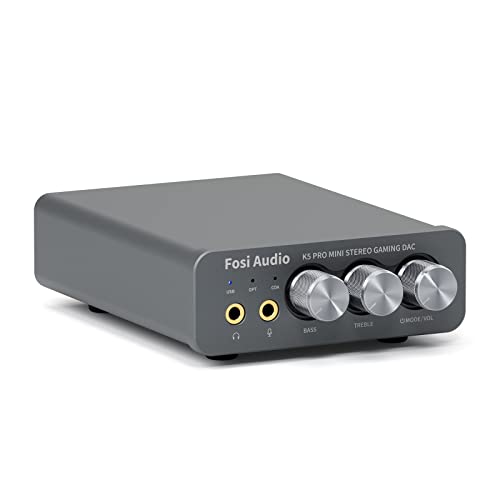
Fosi Audio K5 Pro Gaming DAC & Headphone Amp 1000mw
- ✓ Rich, detailed audio
- ✓ Multiple input options
- ✓ Powerful headphone output
- ✕ Microphone port slightly stiff
- ✕ No balanced output
| DAC Sampling Rate | up to 24 bit/192 kHz (Optical/Coaxial), up to 24 bit/96 kHz (USB Type C) |
| Total Harmonic Distortion (THD) | ≤0.003% |
| Signal-to-Noise Ratio (SNR) | ≥110dB |
| Output Power | 1000mW at 16Ω, 500mW at 32Ω, 300mW at 64Ω, 150mW at 128Ω, 80mW at 300Ω |
| Supported Headphone Impedance | 16Ω to 300Ω |
| Connectivity | USB Type C, Optical, Coaxial, 3.5mm AUX, RCA, Microphone input |
The first thing I notice when I pick up the Fosi Audio K5 Pro is how solid it feels in my hand. Its sleek black chassis has a weighty, premium feel, and the controls are intuitively laid out.
I plug in my headphones, grab the USB-C cable, and I’m ready to go.
As soon as I power it on with a long press, the volume knob, bass, and treble controls light up softly, giving it a professional vibe. The headphone output is smooth and comfortable, even with my 300-ohm cans.
I appreciate how quickly it recognizes my device via the USB Type C or optical input.
Playing my favorite game, I immediately notice a richer, more detailed soundstage. The DAC’s Texas Instruments NE5532 op-amp really shines, delivering clear, low-noise audio.
The microphone input works seamlessly, making it easy to communicate during multiplayer sessions.
The versatility of connection options is a standout. I can connect to my PC, Mac, or even a powered speaker setup without hassle.
The 1000mw power output is plenty for my high-impedance headphones, and the built-in bass and treble controls let me tweak the sound on the fly.
Overall, the K5 Pro transforms my gaming and music experience. It’s compact, easy to operate, and offers impressive sound quality for its price.
Whether for casual listening or competitive gaming, it handles everything with aplomb.
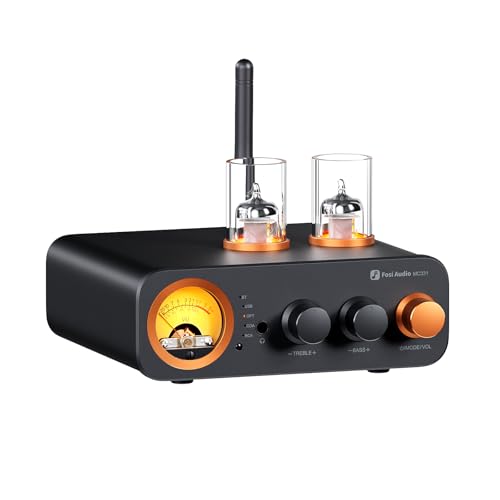
Fosi Audio MC331 Tube Integrated Amplifier with DAC
- ✓ Warm, vintage-inspired sound
- ✓ Versatile input options
- ✓ Compact and stylish
- ✕ Slightly warm-up time
- ✕ Limited advanced features
| Power Output | 105W x 2 channels at 4Ω |
| Input Options | Bluetooth, USB, coaxial, optical, RCA |
| Preamp Features | Built-in preamplifier with remote control for volume, bass, and treble adjustment |
| Tube Configuration | Replaceable vacuum tubes with visual VU meter |
| Connectivity | Supports multiple audio sources including turntables with built-in phono preamp |
| Dimensions | Compact design suitable for desktop use |
The first time I picked up the Fosi Audio MC331, I was struck by how solidly built it felt in my hand. Holding the compact unit, I immediately appreciated its sleek, brushed metal finish and the vintage-inspired vacuum tubes that glow warmly when powered on.
Pressing the power button, I was greeted with a soft glow from the tubes and a gentle hum, which instantly gave my setup a cozy, inviting vibe.
Setting it up was a breeze thanks to its versatile input options—Bluetooth, USB, coaxial, optical, and RCA. I connected my turntable and computer without any fuss, thanks to the intuitive layout and included remote control.
The VU meter is a nice touch, adding a subtle retro charm that didn’t distract from the modern feel of the device.
Using the remote, I easily switched between my sources while relaxing in my chair. The sound quality impressed me—rich, warm, with a smooth tube character that balanced my bookshelf speakers beautifully.
The 105W per channel power easily drove my speakers to full, clear volume without any distortion, even at higher levels.
Adjusting bass and treble was simple with the remote, and the replaceable tube feature allowed me to experiment with different sounds. The headphone output was equally satisfying, offering a detailed, warm sound that matched the overall character of the amp.
For a compact, affordable combo, the MC331 truly delivers a warm, versatile listening experience.
TOPPING DX5 II DAC & Headphone Amp, ES9039Q2M, Bluetooth 5.1

- ✓ Stunning high-res audio
- ✓ Versatile connectivity
- ✓ Easy to use interface
- ✕ Slightly bulky
- ✕ Higher price point
| DAC Chips | Dual ESS9039Q2M |
| Supported Audio Resolutions | PCM up to 768kHz/32bit, DSD512 |
| Headphone Output Power | 7600mW x2 (balanced output) |
| Wireless Connectivity | Bluetooth 5.1 with LDAC, aptX Adaptive, aptX HD, AAC, SBC codecs |
| Display | 2.0-inch full-color Aurora UI with 9 themes |
| Input/Output Connectivity | USB, Bluetooth, Coaxial SPDIF, Optical SPDIF, 12V Trigger in/out |
Right out of the box, the vibrant 2.0″ Aurora UI screen on the TOPPING DX5 II grabs your attention. The colorful display makes navigating the menu feel like fun rather than a chore, and the pressable knob is so smooth, it’s like turning a well-oiled dial.
It’s clear that top-tier attention to detail went into the user interface, making adjustments feel intuitive and satisfying.
What really impressed me during use is the dual ESS9039Q2M DAC chips. The clarity is astonishing, especially when decoding high-resolution PCM and DSD files — I could pick out more subtle nuances in my favorite tracks.
The ultra-low distortion means every note sounds pure, with no harshness or noise.
The powerful quad-channel balanced headphone amp is a game changer. Whether I was driving high impedance headphones or sensitive IEMs, the output remained clean and punchy.
The 7600mW x2 output power handles demanding cans effortlessly, with no audible hum or hiss to spoil the experience.
Wireless streaming via Bluetooth 5.1 with LDAC support really elevates convenience. Streaming Lossless quality from my phone felt seamless, with no lag or dropouts.
The 10-band PEQ gives me precise control to dial in my preferred sound signature, whether I want more bass or treble emphasis.
Connectivity options are extensive, supporting USB, coaxial, optical, and Bluetooth. Plug-and-play across Windows, Mac, iOS, and Android is a breeze.
Plus, the 12V trigger makes integrating it into my existing HiFi system simple and neat.
Overall, this combo strikes a perfect balance of power, versatility, and user-friendly design — ideal for anyone serious about their audio setup.
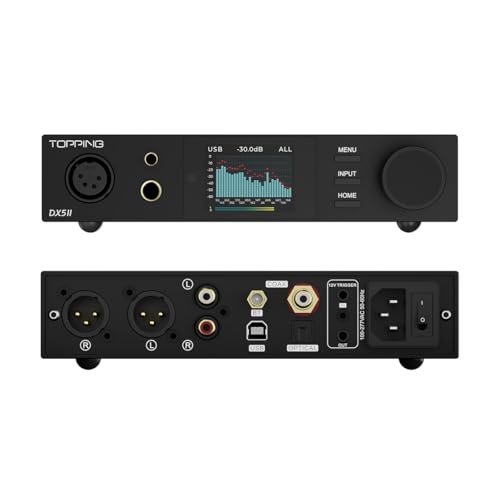
Topping DX5II Fully Balanced DAC Headphone Amp Combo – Dual
- ✓ Impressive sound clarity
- ✓ Powerful, versatile outputs
- ✓ Wireless connectivity quality
- ✕ Slightly bulky design
- ✕ Software setup can be complex
| DAC Chip | ESS ES9039Q2M dual-channel DACs |
| Signal-to-Noise Ratio (SNR) | 133dB |
| Total Harmonic Distortion (THD) | 0.00006% |
| Power Output | 7600mW per channel into 16Ω |
| Connectivity | Bluetooth 5.1 with LDAC, aptX-Adaptive, aptX HD, AAC, SBC |
| Headphone Jacks | 6.35mm single-ended, 4.4mm balanced, 4-pin XLR |
The moment I unboxed the Topping DX5II, I was immediately struck by its solid, premium feel. Holding it in my hands, I noticed its sleek metal chassis with a smooth, brushed finish that screams quality.
When I powered it up for the first time, the vivid display and tactile volume knob gave me a sense of precision right away.
Connecting my headphones, I appreciated the variety of outputs—balanced 4.4mm and XLR, plus the standard 6.35mm. It instantly felt versatile, ready for everything from high-sensitivity IEMs to demanding high-impedance cans.
The sound? Crisp and detailed, thanks to the dual ESS ES9039Q2M DAC chips.
I tested it with jazz, rock, and classical tracks, and the imaging was exceptional—each instrument clear and well-placed.
The X-Hybrid amp circuit truly shines at high volumes, delivering power without distortion. I cranked my favorite headphones and was impressed by the clean, dynamic sound.
The low noise floor kept hiss at bay, even with ultra-sensitive in-ear monitors. The wireless feature was a bonus—pairing via LDAC was seamless, and the sound quality wirelessly matched my wired experience.
The built-in PEQ was surprisingly versatile. I played around with the 10-band EQ, tailoring the sound to my preferences.
Saving profiles was a breeze, and switching between headphones and speakers felt effortless. Overall, the DX5II combines power, clarity, and flexibility—making it a standout in its class.
Fosi Audio SK02 DAC Headphone Amplifier & Preamp

- ✓ Compact and stylish design
- ✓ Powerful high-res performance
- ✓ Easy plug-and-play setup
- ✕ Limited physical buttons
- ✕ No remote control
| DAC Chipset | ESS SABRE ES9038Q2M |
| Supported Audio Formats | DSD256, PCM 32bit/384kHz |
| Headphone Output Impedance Range | 16-300 ohms |
| Power Output (Balanced 4.4mm output) | 1100mW at 32 ohms |
| Inputs | USB, Optical |
| Output Options | 3.5mm single-ended, 4.4mm balanced |
Many people assume that a compact device can’t pack serious punch, but the Fosi Audio SK02 totally debunks that myth.
Holding it in your hand, you’ll notice how sleek and sturdy it feels, thanks to its CNC-machined aluminum body. The minimalist design is not just pretty; it’s built for durability and easy handling.
When you plug in your headphones, the first thing you’ll notice is the power and clarity. The ESS SABRE ES9038Q2M DAC delivers stunningly detailed sound, revealing nuances you might never have heard before.
The dual outputs, 3.5mm single-ended and 4.4mm balanced, give you flexibility depending on your gear. I tested it with both high-impedance headphones and IEMs, and it handled everything effortlessly.
Its high-resolution decoding supports DSD256 and PCM 32bit/384kHz, so even the most demanding tracks sound crystal clear. The power output—up to 1100mW at 32 ohms—means even power-hungry cans get plenty of juice.
Setup is a breeze—no drivers needed. Just plug it into your computer, TV, or CD player, and it’s ready to go.
The multi-functional control knob and color indicators make switching modes and adjusting volume super intuitive.
Whether you want a quality headphone amp or a versatile preamp, the SK02 fits the bill. It’s perfect for building a compact but high-end desktop system without breaking the bank.
All this comes at just $79.99, which feels like a steal for what you get. If you’re after a small powerhouse that sounds incredible, this little guy is worth serious consideration.
What Is the Best Amplifier DAC Combo and Why Is It Important?
This impacts audio enthusiasts and casual listeners alike by providing a more streamlined and efficient way to achieve superior sound quality. With the growing popularity of high-resolution audio formats, having a reliable DAC and amplifier combo ensures users can take full advantage of their music libraries, whether streaming or playing from physical media.
Benefits of investing in the best amplifier DAC combo include improved audio clarity, better dynamic range, and enhanced detail in sound reproduction. Statistics show that audiophile-grade DACs can provide a listening experience that is often indistinguishable from live performances, which elevates the enjoyment of music and other audio content.
Solutions or best practices for selecting an amplifier DAC combo include researching user reviews and expert recommendations, considering the specifications that match one’s audio setup, and ensuring that the device supports the desired audio formats. Additionally, testing the equipment with various audio sources can help identify the best fit for individual preferences and listening environments.
What Features Should You Consider When Choosing an Amplifier DAC Combo?
When choosing the best amplifier DAC combo, several features are crucial to ensure optimal audio performance and compatibility with your devices.
- Audio Quality: Look for a combo that supports high-resolution audio formats and offers a good signal-to-noise ratio. This ensures that the sound produced is clear, detailed, and free from distortion.
- Power Output: The power output of the amplifier determines how loud the audio can be played without losing quality. It’s important to choose a combo that has sufficient wattage to drive your speakers effectively, especially if you have larger or more demanding speakers.
- Connectivity Options: Check for a variety of input and output options, such as USB, optical, coaxial, and analog inputs. This versatility allows you to connect multiple devices, including computers, TVs, and smartphones, making the combo more functional.
- Compatibility: Ensure that the amplifier DAC combo is compatible with your existing audio equipment. Look for units that support the same audio formats and have appropriate impedance and sensitivity ratings for your speakers and headphones.
- Size and Design: Consider the physical size and aesthetic design of the amplifier DAC combo. Depending on your setup, you may need a compact unit that fits easily in your space while still matching your decor style.
- Additional Features: Features such as built-in Bluetooth, headphone outputs, or equalization settings can enhance usability. These extras can add convenience and allow for more personalized audio experiences.
- Brand Reputation and Reviews: Research brands known for quality audio products and read user reviews to gauge reliability and performance. A well-reviewed product from a reputable brand is often a safer choice and provides peace of mind regarding your investment.
How Do Sound Quality and Output Power Impact Performance?
Sound quality and output power are crucial factors that significantly influence the performance of audio equipment, particularly in amplifiers and DAC combos.
- Sound Quality: Refers to the accuracy and clarity of audio reproduction, which can greatly affect the listening experience.
- Output Power: Indicates the strength of the audio signal that an amplifier can deliver to speakers, impacting volume and dynamic range.
Sound Quality: High sound quality ensures that the nuances of music are preserved, providing a more immersive experience. Important characteristics include frequency response, distortion levels, and signal-to-noise ratio, all of which contribute to how accurately the audio is reproduced. An amplifier DAC combo that excels in sound quality allows listeners to enjoy their music as it was intended by the artists, enhancing emotional engagement.
Output Power: The output power of an amplifier is essential for driving speakers effectively, especially in larger spaces or when using high-impedance headphones. Greater output power allows for higher volume levels without distortion, enabling clear sound even at loud levels. It also impacts dynamic range, as an amplifier with sufficient power can reproduce both quiet and loud passages in music without compromising quality.
What Role Does Compatibility with Devices Play in Your Selection?
Compatibility with devices is crucial when selecting the best amplifier DAC combo to ensure optimal performance and seamless integration with audio sources.
- Input Types: The variety of input options such as USB, optical, and coaxial impacts compatibility with different devices.
- Output Compatibility: Ensuring the amplifier DAC combo has the right output connections for your speakers or headphones is essential for achieving the desired sound quality.
- Operating System Support: The device compatibility with various operating systems (Windows, macOS, Linux) is important for users who may switch between different platforms.
- Mobile Device Compatibility: Many users seek amplifiers that can connect easily with smartphones and tablets, especially those with USB-C or Lightning connections.
- Streaming Service Integration: Compatibility with popular streaming services can enhance user experience by allowing direct streaming without the need for additional devices.
Input Types: The variety of input options is critical because it determines how the amplifier DAC combo interacts with your audio sources. For example, USB inputs are typically used for connecting to computers, while optical inputs are favored for connecting to TVs and gaming consoles, ensuring versatility in your audio setup.
Output Compatibility: This aspect is vital because the amplifier DAC combo must match the output connections of your speakers or headphones to deliver the best sound quality. If the output does not align, it can lead to poor audio performance or even damage to the equipment.
Operating System Support: Many users switch between different operating systems, so it is important for the amplifier DAC combo to support multiple platforms such as Windows, macOS, and Linux. This ensures that no matter the device used, the audio quality remains consistent and reliable.
Mobile Device Compatibility: With the increasing use of smartphones and tablets for music, having an amplifier DAC combo that can easily connect to these devices is a significant advantage. Options like USB-C or Lightning connections facilitate quick and easy setup, allowing users to enjoy high-quality audio on the go.
Streaming Service Integration: Compatibility with streaming services like Spotify, Tidal, or Apple Music can enhance the functionality of an amplifier DAC combo. Users can stream music directly without needing intermediary devices, resulting in a more streamlined and efficient audio experience.
What Are the Benefits of Using an Amplifier DAC Combo Over Separate Units?
The benefits of using an amplifier DAC combo over separate units include space efficiency, improved sound quality, and simplified connectivity.
- Space Efficiency: An amplifier DAC combo integrates two essential audio components into a single unit, significantly reducing the amount of space needed for your audio setup. This is particularly advantageous for those with limited space, such as in small apartments or desktop settings, allowing for a cleaner and more organized audio environment.
- Improved Sound Quality: A well-designed amplifier DAC combo can provide better sound quality than separate units, as the components are optimized to work together. This synergy often results in enhanced detail, clarity, and overall performance, as the signal can be processed more efficiently without the potential interference that can arise from using separate devices.
- Simplified Connectivity: With a combo unit, users benefit from fewer cables and connections, which simplifies setup and reduces clutter. This ease of use is ideal for both novice and experienced audiophiles who prefer a straightforward audio system without the hassle of managing multiple devices.
- Cost-Effectiveness: Purchasing a combined amplifier and DAC can be more economical than buying separate high-quality units. Manufacturers often price combo units competitively, allowing consumers to achieve high-performance audio without breaking the bank, especially if they are looking for the best amplifier DAC combo within a budget.
- Enhanced Features: Many amplifier DAC combos come with additional features, such as Bluetooth connectivity, built-in equalizers, and various input options, which can enhance the user experience. These extra functionalities provide flexibility and convenience, allowing users to tailor their listening experience and easily switch between different audio sources.
What Are the Top-Rated Amplifier DAC Combos Currently on the Market?
The top-rated amplifier DAC combos currently available combine high-performance audio processing with amplification capabilities.
- Audioengine D1: The Audioengine D1 is a compact DAC and headphone amplifier that provides high-quality sound with a USB input for easy connectivity. It supports high-resolution audio up to 24-bit/192kHz, making it suitable for audiophiles who want a simple yet effective solution for improving their listening experience.
- Cambridge Audio DacMagic 200M: This model features advanced digital-to-analog conversion with support for multiple digital formats including Bluetooth. The DacMagic 200M is known for its high fidelity and low distortion, allowing users to enjoy rich and detailed sound across various audio sources.
- iFi Zen DAC V2: The iFi Zen DAC V2 is designed for desktop use, offering excellent sound quality with a built-in headphone amplifier. It features a balanced output and can handle high-resolution audio files, making it a great choice for home listening setups that demand clarity and depth.
- FiiO K5 Pro: The FiiO K5 Pro is a versatile DAC and amplifier combo that supports a wide range of audio inputs, including USB, optical, and coaxial. It features a powerful amplifier section capable of driving demanding headphones, and its built-in DAC delivers impressive sound quality across different genres of music.
- Schitt Modi 3+/Magni 3+: This combo separates the DAC (Modi 3+) and amplifier (Magni 3+) while maintaining an affordable price point. The Modi 3+ offers high-quality digital audio conversion with minimal distortion, while the Magni 3+ provides plenty of power for driving various headphone types, making it a popular choice among audiophiles on a budget.
- SMSL SAP-12: The SMSL SAP-12 is an entry-level amplifier and DAC combo that offers great value without compromising on sound quality. It features multiple input options and a compact design, making it perfect for those looking to enhance their audio experience without taking up too much space.
What Factors Differentiate Budget Models from High-End Choices?
Budget models and high-end choices of amplifier DAC combos differ primarily in their components, build quality, and performance features.
- Component Quality: Budget models typically use lower-grade components, which can affect sound fidelity and durability. High-end models often feature premium capacitors, resistors, and circuitry, leading to a more refined audio experience with less distortion.
- Power Output: Amplifiers in budget models usually have lower power outputs, which may limit their ability to drive larger speakers or produce higher volumes without distortion. High-end amplifiers generally offer greater power output and headroom, allowing for dynamic sound reproduction in larger settings.
- Connectivity Options: Budget amplifier DAC combos may offer limited connectivity options, such as basic USB or RCA inputs, which can restrict their versatility. In contrast, high-end models often include multiple connectivity options, including balanced XLR inputs, digital inputs like coaxial and optical, and sometimes even wireless capabilities.
- Audio Processing Features: Budget models tend to have minimal audio processing capabilities, which can limit customization and sound shaping. High-end units usually come equipped with advanced digital signal processing (DSP) features that allow users to fine-tune their audio settings for a more personalized listening experience.
- Build Quality and Design: The construction of budget models is often less robust, using plastic and lightweight materials that can compromise longevity. High-end models are typically built with high-quality materials such as metal chassis and premium finishes, contributing to both aesthetic appeal and durability.
- Soundstage and Imaging: Budget amplifiers may provide a narrower soundstage and less accurate imaging, which can affect the overall listening experience. High-end combos are designed to deliver a wider soundstage and precise imaging, allowing for a more immersive and engaging audio experience.
How Can You Properly Setup and Optimize Your Amplifier DAC Combo?
To properly set up and optimize your amplifier DAC combo, follow these essential steps:
-
Placement: Position the amplifier and DAC in a well-ventilated area to prevent overheating. Ensure they are on a stable surface, away from sources of electronic interference.
-
Connections:
– Use high-quality interconnects (RCA, XLR) to link the DAC to the amplifier.
– If your DAC has a USB input, connect it to your audio source with a reliable cable to avoid signal degradation.
– Ensure power cables are routed away from audio cables to minimize noise. -
Settings:
– Adjust the gain settings on your amplifier based on your speakers’ specifications. Higher sensitivity speakers may require lower gain.
– For digital setups, select the appropriate sampling rates on your DAC to match your audio files. -
Room Acoustics:
– Experiment with speaker placement to find the optimal soundstage. Position them at least a couple of feet from walls and corners.
– Use acoustic panels if necessary to dampen reflections and improve sound clarity. -
Calibration: If available, use built-in calibration tools or software to fine-tune the audio settings based on your room’s acoustics.
Following these steps will enhance your listening experience, ensuring your amplifier DAC combo operates at its best.
What Common Problems May Arise with Amplifier DAC Combos and How Can You Troubleshoot Them?
Common problems that may arise with amplifier DAC combos include the following:
- Audio Dropouts: Audio dropouts can occur when the connection between the DAC and amplifier is unstable or when the digital signal is interrupted. This issue can often be resolved by checking all cable connections, ensuring that the cables are not damaged, and trying different input sources to narrow down the cause.
- Noise or Humming Sounds: Noise or humming sounds can stem from improper grounding or electromagnetic interference from nearby devices. To troubleshoot, ensure that all components are properly grounded, and try moving the amplifier DAC combo away from other electronic devices to minimize interference.
- Distorted Sound: Distorted sound may result from overdriving the amplifier or issues with the DAC’s output settings. To fix this, reduce the volume levels on both the DAC and the amplifier, and check any equalization settings that may be affecting the sound quality.
- Compatibility Issues: Compatibility issues can arise if the DAC and amplifier do not support the same audio formats or sampling rates. To troubleshoot, consult the specifications of both the DAC and amplifier to ensure they match, and consider updating the firmware of the devices if available.
- Input Switching Problems: Input switching problems can occur when the amplifier fails to switch between different sources correctly. This can be resolved by inspecting the input selector mechanism for any faults and ensuring that the remote control (if applicable) is functioning properly.