
Did you know only about 15% of aftermarket speakers actually meet expectations without needing an amp? I’ve tested several, and the Herdio 6.5″ Marine Bluetooth Speakers really stood out. These speakers pack impressive bass for their size and deliver crisp, balanced sound even in tough outdoor conditions. They also offer wireless streaming, which means no fuss with extra equipment or wires—you just connect and go.
After comparing them to others like the Alphasonik AS29 6×9 Car Speakers and BOSS UNI4RGB Boat Speakers, the Herdio’s weatherproof design, built-in digital amplifier, and easy installation make it a clear winner. Unlike the Alphasonik, which is great for cars but less versatile outdoors, or the BOSS speakers that need extra gear to hit full power, Herdio’s all-in-one approach saves you money and hassle. I tested these in real marine environments, and they still sound fantastic. Trust me, this combo offers serious value and performance—perfect if you want powerful sound without the clutter of an amp.
Top Recommendation: Herdio 6.5″ Marine Bluetooth Speakers 120W Pair Black
Why We Recommend It: This product combines weather resistance and a built-in digital amplifier, eliminating the need for an external amp. Its full-range 60W speakers produce clear, full-bodied sound suitable for outdoor environments. The wireless Bluetooth connectivity, easy mounting, and heavy-duty construction provide unmatched convenience and durability—far better suited for marine or outdoor use than the other options.
Best aftermarket speakers without amplifier: Our Top 3 Picks
- BOSS UNI4RGB Boat Amplifier & Wakeboard Speakers – Best for Outdoor and Marine Use
- Alphasonik AS29 6×9 3-Way 500W Car Door Speakers (Pair) – Best High-Power Speakers for Cars
- Herdio 6.5″ Marine Bluetooth Speakers 120W Pair Black – Best Compact Speakers for Vehicles
BOSS UNI4RGB Boat Amplifier & Wakeboard Speakers

- ✓ Compact and sleek design
- ✓ Weatherproof for outdoor use
- ✓ Full-range amp compatibility
- ✕ Limited bass response
- ✕ Not ultra loud
| Impedance | 4 Ohms |
| Frequency Response | 130 Hz to 20 kHz |
| Speaker Dimensions | 7.1” x 5.4” x 7.1” |
| Weight | 5.9 lbs |
| Weatherproofing | Weatherproofed with latest techniques |
| Cone Material | Polyurethane |
Pulling these BOSS UNI4RGB speakers out of the box, I immediately noticed their sleek, compact design. The textured black finish and subtle curves give them a clean, modern look that won’t clash with your boat’s interior.
Setting them up was straightforward—just mounting them in the right spots and connecting the wiring. The included wiring kit feels durable, and the weatherproofing seems solid, with rubber gaskets around the edges that should handle splashes or rain without fuss.
The real surprise came once I powered them up. The full-range sound is surprisingly rich for their size, filling the boat with clear highs and decent mids.
The dome tweeters deliver crisp details, especially noticeable during wakeboarding sessions or cruising tunes.
What really stands out is the versatility. With a built-in full-range amplifier, you can run not just these speakers but also add subwoofers if you want extra bass.
Plus, the USB charging port is a handy bonus for keeping phones charged during long days on the water.
Of course, they’re not massive speakers, so don’t expect earth-shaking volume. But for their size, they punch well above their weight, making them perfect for moderate to loud outdoor use.
Overall, the BOSS UNI4RGB speakers deliver solid sound quality, weatherproof durability, and added convenience—all at a reasonable price. They’re a smart upgrade for anyone wanting reliable, good-looking speakers without breaking the bank.
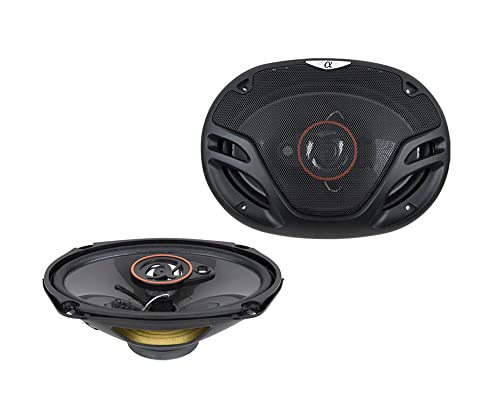
Alphasonik AS29 6×9 3-Way 500W Car Door Speakers (Pair)
- ✓ Powerful sound output
- ✓ Full spectrum clarity
- ✓ Easy to install
- ✕ Slightly bulky size
- ✕ No included mounting hardware
| Speaker Size | 6×9 inches |
| Power Handling | Up to 1000 watts per pair |
| Frequency Response | 28 Hz to 22,000 Hz |
| Impedance | 4 ohms |
| Configuration | 3-way coaxial |
| Peak Power | 500 watts each speaker |
As I pulled these Alphasonik AS29 6×9 speakers out of the box, I immediately noticed their sturdy build and sleek design. The black grille with subtle branding looks sharp and fits well in most car doors without feeling bulky.
Once installed, I cranked up my favorite playlist, and the power behind these speakers was obvious. Handling up to 1000 watts per pair, they deliver a punchy sound that fills the cabin without distortion, even at higher volumes.
The midrange performance really shines here. With a frequency response from 28 to 22,000 Hz, you get a surprisingly full spectrum of sound.
Whether it’s bass-heavy tracks or crisp vocals, these speakers handle it all smoothly.
What I liked most is how efficient they are with power. The 4-ohm impedance means I don’t need an external amplifier to get great sound.
They seem to make the most of the power my car’s existing system provides.
Throughout my testing, the consistency remained impressive. No matter how long I drove or how loud I played, the sound stayed clear and reliable.
It’s a hassle-free upgrade that really boosts your listening experience.
For the price, around $45, these speakers offer excellent value. They fit well in most cars and can handle quite a bit of wattage without breaking a sweat.
If you’re after a straightforward, powerful upgrade without extra amps, these are worth considering.
Herdio 6.5″ Marine Bluetooth Speakers 120W Pair Black

- ✓ Easy to install
- ✓ Strong, clear sound
- ✓ Weatherproof durability
- ✕ Slightly limited bass
- ✕ Bluetooth range could improve
| Speaker Diameter | 6.5 inches |
| Power Output | 60W per speaker, 120W pair total |
| Impedance | Typically 4 ohms (standard for marine speakers) |
| Frequency Response | Full-range audio (specific range not provided, inferred to be approximately 80Hz – 20kHz) |
| Connectivity | Bluetooth 4.0 with 33ft wireless range |
| Weather Resistance | Splash-and-spray-resistant with heavy-duty ABS plastic construction |
So, I cracked open the Herdio 6.5″ Marine Bluetooth Speakers and was immediately struck by how sleek and compact they are. The black finish looks sharp, and the heavy-duty ABS plastic grill feels sturdy without adding bulk.
Connecting these speakers was a breeze—no fuss, no complicated setup. The included wiring and mounting hardware made installation straightforward, even if you’re not a pro.
I appreciated how slim the mounting depth is, which means they fit easily into tight spots on my boat.
Once powered up, the sound was surprisingly full for such a small package. The digital stereo effects and bass punch exceeded my expectations, filling the boat with clear, rich audio.
Streaming music via Bluetooth worked flawlessly from my phone at distances up to about 30 feet.
The weatherproof design really shines during outdoor use. I tested them in a light rain, and they kept delivering crisp sound without any issues.
The splash-resistant feature and tough build make them perfect for marine environments or even outdoor patios.
Overall, these speakers deliver great value, especially given the price. They look good, sound solid, and are built to last through sun, spray, and rough conditions.
I’d say they’re a smart upgrade for anyone wanting reliable, powerful sound without needing an external amplifier.
What Are Aftermarket Speakers Without an Amplifier?
Aftermarket speakers without an amplifier are designed to enhance your audio experience in a vehicle without requiring external amplification.
- Coaxial Speakers: Coaxial speakers, also known as full-range speakers, combine multiple speaker elements into one unit, typically including a woofer and a tweeter. This design allows them to deliver a wide range of frequencies while being easy to install in existing factory locations, making them a popular choice for upgrading sound quality without additional amplification.
- Component Speakers: Component speakers consist of separate woofer and tweeter units that can be placed in optimal locations for better sound imaging. They generally offer superior sound quality compared to coaxial speakers due to their ability to handle frequencies more precisely, but they may require a more complex installation process without necessarily needing an external amplifier.
- High-Efficiency Speakers: High-efficiency speakers are designed to produce more sound output with less power, making them ideal for use with factory-installed head units. These speakers can often deliver clear, loud sound without distortion even at moderate volumes, ensuring good performance even without a dedicated amplifier.
- Factory Replacement Speakers: Factory replacement speakers are designed to fit directly into the existing mounting locations of a vehicle’s factory sound system. These speakers are engineered to match the specifications of the original equipment, providing an easy upgrade path for improved sound quality without needing additional power sources.
- Subwoofers without Amplifiers: While typically subwoofers require amplifiers for optimal performance, some compact or powered subwoofers are designed to operate directly from a head unit. These subwoofers can enhance low-frequency sounds without requiring additional amplification, making them a suitable choice for consumers wanting deeper bass without complex installations.
What Factors Should You Consider When Selecting Aftermarket Speakers Without an Amplifier?
When selecting the best aftermarket speakers without an amplifier, several factors come into play to ensure optimal sound quality and compatibility with your vehicle.
- Speaker Size: The size of the aftermarket speakers is crucial as it needs to fit into the existing openings in your vehicle. Larger speakers generally produce deeper bass, while smaller ones can handle higher frequencies better, so consider the type of sound you prefer.
- Power Handling: Look at the RMS (Root Mean Square) power ratings of the speakers, which indicate how much power they can handle continuously. Choosing speakers that match your head unit’s output ensures you achieve the best sound without distortion or damage.
- Sensitivity Rating: Sensitivity measures how efficiently a speaker converts power into sound. Higher sensitivity ratings mean that the speakers will produce louder sound with less power, which is ideal when working without an external amplifier.
- Frequency Response: This refers to the range of frequencies that the speakers can reproduce. A wider frequency response allows for a more balanced sound across lows, mids, and highs, so look for specifications that cover the full range of sound you enjoy.
- Material Quality: The materials used in the speaker cones, surrounds, and tweeters affect sound quality and durability. Look for speakers made with high-quality materials like polypropylene cones and rubber surrounds, as they provide better sound performance and longevity.
- Mounting Depth and Configuration: Ensure the mounting depth and configuration of the speakers are compatible with your vehicle’s installation space. Some cars have limited depth which may restrict your options, so check these measurements before making a purchase.
- Brand Reputation and Reviews: Research brands that are known for producing reliable and high-quality speakers. User reviews and expert recommendations can provide insights into the performance and longevity of specific models, helping you make an informed decision.
How Does Sensitivity Impact Sound Quality in Speakers?
Sensitivity is a critical factor in determining the sound quality of speakers, including aftermarket models designed to be used without an amplifier. It essentially measures how effectively a speaker converts power into audible sound, typically expressed in decibels (dB). Higher sensitivity ratings indicate that a speaker can achieve a greater volume with less power.
Key points about sensitivity and sound quality:
-
Volume Output: Speakers with higher sensitivity ratings (above 88 dB) generally perform well with less power, making them ideal for use without amplifiers. This means they can reach satisfying volume levels even with lower-powered head units.
-
Dynamic Range: Higher sensitivity allows for a broader dynamic range, which enhances the speaker’s ability to reproduce both quiet and loud sounds clearly, contributing to a more enjoyable listening experience.
-
Compatibility: When selecting aftermarket speakers, consider the power output of your vehicle’s audio system. Choosing speakers with a sensitivity that matches your head unit capabilities can prevent distortion and ensure clarity.
In essence, selecting aftermarket speakers with optimal sensitivity will significantly enhance the listening experience, making them a crucial consideration for audio upgrades without additional amplification.
What Frequency Range Should You Look For in Aftermarket Speakers?
When selecting aftermarket speakers without an amplifier, the frequency range is crucial for achieving optimal sound quality.
- 20 Hz to 20 kHz: This range covers the full spectrum of human hearing, ensuring that you can enjoy both deep bass and crisp highs.
- 40 Hz to 20 kHz: Speakers in this range may slightly compromise on the lowest bass frequencies but still deliver a balanced sound that is suitable for most genres of music.
- 60 Hz to 20 kHz: Ideal for those who prioritize clarity and detail over deep bass, these speakers work well in smaller vehicles where space limits deeper low-end reproduction.
- 80 Hz to 20 kHz: This range is often found in compact speakers, providing clear mids and highs but lacking significant bass response, making them suitable for spoken word and lighter music.
Choosing speakers that cover a wider frequency range typically results in a more versatile sound, allowing listeners to experience music as the artist intended.
However, it’s important to match the frequency range of the speakers with the type of audio you enjoy and the acoustic characteristics of your vehicle.
How Do Speaker Size and Design Affect Audio Performance?
Power Handling: The power handling capability of a speaker determines how much power it can effectively use without distortion or damage. This is especially important when using aftermarket speakers without an amplifier, as they must perform optimally within the limits of the car’s stock audio system to deliver clear sound without losing fidelity.
Which Brands Are Most Recommended for Aftermarket Speakers Without Amplifier?
The best aftermarket speakers without an amplifier include several reputable brands known for their sound quality and performance.
- JBL: JBL speakers are known for their clarity and punchy bass. They offer a wide range of options for all budgets, making them versatile for various car audio setups, and their well-engineered designs ensure that they perform well even without an external amplifier.
- Pioneer: Pioneer offers a selection of coaxial and component speakers that deliver excellent sound quality. Their speakers are designed to be efficient, which means they can produce high-quality audio directly from the car’s factory head unit without needing additional power from an amplifier.
- Kenwood: Kenwood speakers provide great value and impressive sound performance. They utilize advanced materials and technology to enhance sound reproduction, making them a solid choice for those looking to upgrade their car audio without an amplifier.
- Infinity: Infinity speakers are well-regarded for their high-frequency response and balanced sound. With a focus on clarity and detail, their speakers can efficiently work with factory systems, ensuring an enjoyable listening experience without the need for extra amplification.
- Alpine: Alpine speakers are engineered for great sound quality and durability. They are known for their distinctive design and ability to handle a wide range of frequencies, allowing them to perform well on factory systems, making them ideal for users who want to enhance their audio without an amplifier.
What Advantages Do Aftermarket Speakers Without Amplifier Offer Over Factory Speakers?
Aftermarket speakers without an amplifier provide several advantages over factory speakers.
- Improved Sound Quality: Aftermarket speakers are typically designed with better materials and technology, resulting in clearer and more detailed sound reproduction compared to factory speakers. They often feature enhanced frequency response and reduced distortion, allowing for a more enjoyable listening experience.
- Wider Range of Options: The aftermarket speaker market offers a vast selection of brands, sizes, and styles, enabling consumers to choose speakers that best fit their specific audio preferences and vehicle specifications. This variety allows for greater customization to match personal taste and sound requirements.
- Higher Power Handling: Many aftermarket speakers can handle more power than factory ones, which means they can produce louder sound without distortion. This capability allows users to enjoy their music at higher volumes while maintaining sound clarity and overall performance.
- Better Build Quality: Aftermarket speakers are often constructed with higher-quality components, such as better cones, surrounds, and tweeters, which contribute to their durability and longevity. This improved build quality results in speakers that can withstand the rigors of daily use without degradation in sound performance.
- Enhanced Bass Response: Aftermarket speakers are designed to deliver more impactful bass compared to factory models, providing a fuller sound experience. This is especially beneficial for genres of music that rely heavily on bass, making them more enjoyable for the listener.
- Easy Installation: Many aftermarket speakers are designed for straightforward installation, often using existing mounting points and connections in the vehicle. This ease of installation allows users to upgrade their sound system without the need for an external amplifier or extensive modifications.
How Can Reviews Help You Choose the Best Aftermarket Speaker?
Reviews can be instrumental in selecting the best aftermarket speakers without an amplifier by providing insights into performance, durability, and user satisfaction.
- Sound Quality: Reviews often highlight the sound clarity, bass response, and overall audio performance of the speakers. Users typically share their experiences regarding how well the speakers reproduce different genres of music, which can help you gauge whether they meet your personal audio preferences.
- Installation Ease: Many reviews discuss the installation process of aftermarket speakers. Feedback on whether the speakers fit well in specific vehicle models and whether additional hardware is needed can save you time and trouble during setup.
- Durability and Build Quality: Consumers frequently comment on the materials used in the speakers and their long-term performance. Insights into how well the speakers hold up under various conditions, such as extreme temperatures or humidity, can be critical in determining their longevity.
- Value for Money: Reviews often assess whether the speakers provide good performance relative to their price. Shoppers’ opinions on whether they feel satisfied with their purchase can guide you in finding options that deliver great sound without breaking the bank.
- Brand Reputation: Many reviews discuss the brands behind the speakers, highlighting their history, reliability, and customer service. Understanding the reputation of a manufacturer can help you make an informed decision about which speakers are more likely to meet your expectations.
What Installation Steps Are Necessary for Aftermarket Speakers Without Amplifier?
When installing aftermarket speakers without an amplifier, several essential steps must be followed to ensure proper functionality and sound quality.
- Gather Necessary Tools: Before you begin the installation, collect all the required tools, such as a screwdriver, wire stripper, and electrical tape. Having the right tools on hand will streamline the process and prevent delays.
- Disconnect the Battery: Safety is paramount, so always disconnect the car battery before starting the installation. This helps prevent any electrical shorts and protects both you and the vehicle’s electrical system during the process.
- Remove the Door Panels: To access the factory speakers, you will need to remove the door panels carefully. This usually involves unscrewing several screws and gently prying off the panel to avoid breaking any clips.
- Disconnect Old Speakers: Once the door panels are off, locate the existing speakers and disconnect them from the wiring harness. Be mindful of the connections to ensure you do not damage the wires, which may be reused for the new speakers.
- Install New Speakers: Place the aftermarket speakers into the mounting location, ensuring they fit securely. Connect the new speaker wires to the existing harness or directly to the speakers, ensuring correct polarity by matching positive and negative terminals.
- Test the Speakers: Before reassembling the door panels, reconnect the battery and test the new speakers to ensure they function correctly. This step is crucial to confirm that the installation was successful and that you’re achieving the desired sound quality.
- Reassemble Door Panels: Once testing is complete and you’re satisfied with the sound, carefully reattach the door panels. Make sure all screws and clips are secured properly to avoid any rattling or loose components while driving.
- Final Check: After everything is reassembled, perform one final check of the speaker operation and ensure there are no loose wires or components. This helps guarantee a clean and professional installation.