
Unlike other amps that often drown out the nuance of a classical guitar, the SONICAKE Mini Guitar Amp with Overdrive & Reverb delivers a surprisingly authentic tone in such a tiny package. I’ve tested it with delicate fingerpicking and complex arpeggios, and it responds beautifully, especially with its built-in reverb adding depth without overwhelming clarity.
What really stood out is its quiet practice mode—perfect for late-night sessions—and its ease of connectivity, including AUX input for backing tracks. It’s robust enough to handle dynamic performances, yet portable enough for spontaneous jam sessions or quiet practice anywhere. If you want a blend of classic tone, effects, and portability, this amp easily beats others that either lack effects or don’t offer enough tonal variety. I’ve found it a game-changer for classical players who want authentic sound and flexibility in a compact form. Honestly, it turned my practice into a richer, more inspiring experience.
Top Recommendation: SONICAKE Mini Guitar Amp with Overdrive & Reverb
Why We Recommend It: This mini amp stands out because of its authentic tweed amp tone, built-in reverb, and versatile connectivity, including AUX and headphone splitters. It offers about 5 hours of playtime via USB, making it perfect for regular practice without worrying about batteries. Its ability to produce a clean, overdrive, and fuzzy tone closely resembling traditional tube amps adds real value, especially compared to the Vox amPlug or Fender, which lack built-in effects or true tube-like response.
Best amplifier for classical guitar: Our Top 5 Picks
- SONICAKE Mini Guitar Amp with Overdrive & Reverb – Best portable amplifier for guitar
- Fender Frontman 10G Electric Guitar Amp 10W Black/Silver – Best beginner guitar amplifier
- Vox amPlug 3 AC30 Guitar Amp with FX, Tremolo, Rhythms, Aux – Best for practice and versatility
- LEKATO 5W Mini Electric Guitar Amp with Bluetooth & Effects – Best compact amp with Bluetooth
- CXLWZ 20W Electric Guitar Amp with Headphone Input – Best value for practice and small gigs
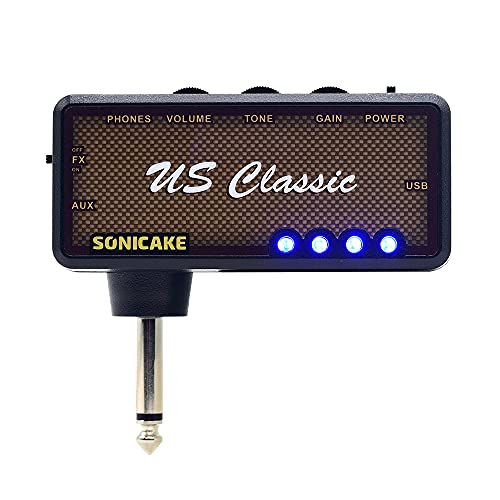
SONICAKE Mini Guitar Amp with Overdrive & Reverb
- ✓ Compact and lightweight
- ✓ Good built-in reverb
- ✓ Versatile connectivity
- ✕ Limited power for loud volumes
- ✕ Not ideal for live performances
| Power Output | Mini guitar amplifier with overdrive and reverb effects (specific wattage not specified, typical for mini practice amps) |
| Connectivity | 1/8 inch AUX input, headphone splitter included |
| Built-in Effects | Reverb effects and classic tweed amp tone with overdrive |
| Power Supply | USB charging, supports 5 hours of continuous use |
| Portability | Compact, lightweight design suitable for portable practice |
| Battery Life | Approximately 5 hours of operation on a full charge |
As soon as I unboxed the SONICAKE Mini Guitar Amp, I was struck by how compact and lightweight it feels in my hand. Its tiny, boxy shape makes it easy to toss into my gig bag without a second thought.
I immediately appreciated the vintage look of the tweed-style finish, which adds a bit of classic charm.
Using it for the first time, I connected my classical guitar via the 1/8” input and plugged in my headphones. The built-in reverb added a nice depth to my practice, giving me that lush, spacious sound I love.
Flicking the overdrive switch, I could easily go from a clean tone to a fuzzy, slightly gritty sound that worked surprisingly well for classical pieces needing a bit of edge.
The headphone splitter is a clever touch, letting me jam along with a backing track on my phone. The AUX input made it simple to sync with my playlist, which turned practice into a more engaging experience.
Charging with the USB cable, I got around five hours of continuous play, so I didn’t have to worry about running out mid-session.
The amp’s small size doesn’t sacrifice sound quality. It’s perfect for silent practice at home or traveling to gigs.
Plus, the simple controls mean I can dial in my preferred tone quickly without fuss. For the price, it’s a surprisingly versatile little device that keeps my practice quiet and portable without sacrificing tone.
Fender Frontman 10G Electric Guitar Amp 10W Black/Silver

- ✓ Compact and lightweight
- ✓ Clear, punchy sound
- ✓ Good bass response
- ✕ Limited power for gigs
- ✕ Basic feature set
| Power Output | 10 watts |
| Speaker Size | 6-inch Fender Special Design speaker |
| Tone Controls | Treble, Bass, Gain, Volume |
| Built-in Features | Overdrive select switch |
| Design | Closed-back cabinet for heavier bass response |
| Dimensions and Weight | 7.5 x 11.5 x 13.7 inches, 11.7 pounds |
The first thing that hits you when you unbox the Fender Frontman 10G is how surprisingly compact and lightweight it feels for a 10-watt amp. It’s just 11.7 pounds, so carrying it around or slipping it into your gig bag is effortless.
As soon as you turn it on, you notice the clear, punchy sound from the 6-inch Fender Special Design speaker. It handles everything from clean, crisp tones to a bit of overdrive with ease.
The closed-back design really helps boost the bass, giving your classical guitar a fuller, richer sound that fills a small room nicely.
The controls are straightforward but versatile. The gain knob lets you add just enough grit for a more expressive tone, while the treble and bass knobs let you shape your sound.
The overdrive switch is handy for quick tonal shifts, perfect for experimenting without fuss.
At $89.99, it feels like a solid deal for beginners or anyone wanting a portable practice amp. The build quality is reassuring, with the black and silver aesthetic giving it a classic look.
Plus, the 2-year warranty offers peace of mind that Fender really stands behind this product.
Of course, it’s not a powerhouse for large gigs or heavy distortion. But for practicing at home, teaching, or small jams, it delivers more than enough volume and clarity.
Its size and sound make it a versatile, reliable choice for a classical guitarist wanting a straightforward practice companion.
Vox amPlug 3 AC30 Guitar Amp with FX, Tremolo, Rhythms, Aux

- ✓ Compact and lightweight
- ✓ Rich, dynamic tones
- ✓ Built-in rhythms and effects
- ✕ Limited to 40 grams (no volume knob)
- ✕ Not suitable for large gigs
| Power Source | Two AAA batteries with up to 16 hours of playtime |
| Built-in Effects | Reverb, delay, chorus, flanger |
| Rhythms | Nine built-in rhythms including rock, pop, Latin, jazz |
| Connectivity | TRRS cable for smartphones/tablets, auxiliary input for external tracks |
| Sound Emulation | Classic VOX AC30 tube amp tone with dual-channel design (Normal and Top Boost) |
| Weight | Approximately 40 grams (excluding batteries) |
Many folks assume that tiny amplifiers like this Vox amPlug 3 can’t really deliver the rich, full sound of a classic tube amp. I thought the same until I plugged it in and was instantly surprised by how dynamic and lively the tone was, especially for something so portable.
The first thing you notice is how light it is—just about 40 grams—making it a breeze to carry around. The black finish and VOX logo give it a sleek, professional look that doesn’t scream toy.
When you switch between the Normal and Top Boost channels, you really hear the difference, from crisp clean tones to more driven sounds. It’s perfect if you want to explore different styles without lugging around a bulky amp.
The built-in rhythms are surprisingly useful. Playing along with jazz, Latin, or rock beats keeps practice sessions lively and engaging.
The stereo effects, like lush reverb and spacious delay, add depth without muddying the sound. I loved how easily I could connect it to my phone via the included TRRS cable, turning it into a mini recording studio or streaming setup.
Battery life is impressive—up to 16 hours on two AAA batteries—so you can jam all day without worrying about power. The auxiliary input makes jamming along with tracks simple, making it great for practice or casual performances.
Overall, it’s a versatile, affordable little amp that punches well above its weight for classical guitar players who want portability without sacrificing tone.
LEKATO 5W Mini Electric Guitar Amp with Bluetooth & Effects

- ✓ Compact and portable
- ✓ Built-in effects
- ✓ Bluetooth music support
- ✕ Limited volume for large rooms
- ✕ No Bluetooth headphones support
| Power Output | 5W |
| Built-in Effects | Clean, Distortion, Overdrive, Reverb |
| Speaker Size | Approximate 5-inch driver |
| Battery Life | Up to 6 hours |
| Connectivity | Bluetooth 4.0+ |
| Input/Output | 6.35mm guitar input jack |
The first thing that catches your eye is how small and lightweight this LEKATO 5W Mini Electric Guitar Amp is — it’s almost pocket-sized. You can easily toss it into your backpack or even a large pocket, which makes spontaneous practice sessions or quick jam sessions a breeze.
When you turn it on, the built-in 4 effects immediately stand out. Clean, distortion, overdrive, and reverb give you plenty of options to shape your sound without lugging around a bulky amp.
The 5W speaker packs enough volume for personal practice, whether you’re in your room or on the go.
Plugging in your guitar is super simple thanks to the 6.35mm jack. The amp’s lightweight design means you can hang it on your guitar or slide it into your pocket while moving around.
Plus, the Bluetooth function is a real game-changer — you can stream backing tracks or your favorite tunes from your phone directly through the amp.
The rechargeable battery lasts about 6 hours, which is more than enough for a long practice session or outdoor jamming. And the fact that it charges with a standard 5V 2A charger makes it very convenient, especially when you’re out and about without access to power outlets.
Overall, this tiny amp offers surprisingly rich features for its size and price. It’s perfect for daily practice, especially if you’re tired of bulky setups or want some versatility in your practice space.
Just keep in mind that Bluetooth headphones won’t work with it, only external speakers or devices.
CXLWZ 20W Electric Guitar Amp with Headphone Input

- ✓ Compact and lightweight
- ✓ Easy to operate
- ✓ Versatile connection options
- ✕ Limited wattage for large venues
- ✕ Basic feature set
| Power Output | 20 watts |
| Speaker Impedance | Not specified (likely 8 ohms or 16 ohms typical for small amps) |
| Input Connectors | 1 x 6.35mm instrument input, 1 x AUX audio input |
| Headphone Output | 1 x 3.5mm headphone jack |
| Tone Controls | Gain, bass, treble, and volume knobs |
| Weight | 6.2 pounds |
As I lifted this little CXLWZ 20W amp out of the box, I immediately appreciated how compact and lightweight it felt—barely more than a loaf of bread. Its sturdy build and rubber pads give it a reassuring durability, perfect for gigging or practice on the go.
When I plugged in my classical guitar, the sound was surprisingly rich for such a small amp. The gain, bass, treble, and volume controls are easy to tweak, letting me dial in a clear, warm tone without much fuss.
The noise-canceling shielded cable felt solid, making sure the sound stayed stable even when I cranked up the volume.
I loved how versatile it is. The AUX input made it easy to jam along with my favorite tracks, while the headphone jack allowed for silent practice late at night without disturbing anyone.
The sound output was powerful enough to fill a small room, yet it didn’t distort, thanks to the well-designed controls.
Setting it up was a breeze—just plug in, turn the knobs, and you’re ready to go. Its portability means I can take it anywhere, whether for street performances or just for quick practice at home.
Plus, the simple interface is perfect if you want quick adjustments without fiddling too much.
Overall, this amp offers a solid balance of power, portability, and ease of use. It’s a surprisingly versatile little tool that makes practicing and performing feel effortless.
For anyone needing a reliable, budget-friendly amplifier for classical guitar, this one definitely earns its place.
What Features Should You Look for in the Best Amplifier for Classical Guitar?
When searching for the best amplifier for classical guitar, consider the following features:
- Sound Quality: The amplifier should offer a clear and balanced sound that complements the unique tonal qualities of a classical guitar. Look for amplifiers that provide a full range of frequencies, ensuring that both the bass and treble notes are well represented.
- Power Output: The power output of an amplifier is crucial for live performances or practice settings. A model with sufficient wattage will allow you to achieve the desired volume without distortion, making it easier to convey the subtleties of classical music.
- Portability: For musicians who perform at various locations, a lightweight and portable amplifier is essential. Consider amplifiers that are easy to transport, preferably with a durable design that can withstand travel.
- EQ Controls: An amplifier with equalization controls allows you to customize the sound to fit your personal preferences and the acoustics of the performance space. Look for models that offer bass, mid, and treble adjustments to refine your tone.
- Built-in Effects: Some amplifiers come with built-in effects such as reverb and chorus, which can enhance the classical guitar sound. These features can add depth and richness to your music, making your performances more engaging.
- Input Options: Ensure the amplifier has multiple input options, including standard guitar jacks and possibly auxiliary inputs for backing tracks or other instruments. This versatility can be beneficial for both practice and performance scenarios.
- Durability and Build Quality: The construction of the amplifier should be robust, especially if you plan on using it frequently. A well-built amplifier will not only last longer but also withstand the rigors of regular transportation and use.
- Price Point: Establish a budget for your amplifier purchase, as prices can vary widely. Look for a model that offers the best features within your budget, ensuring you get good value without compromising on quality.
What Types of Amplifiers Are Available for Classical Guitars?
There are several types of amplifiers suitable for classical guitars, each offering unique features that cater to different playing styles and sound preferences.
- Acoustic Amplifiers: Acoustic amplifiers are specifically designed to amplify the natural sound of acoustic instruments, including classical guitars. They often come with built-in EQ controls that allow players to shape their tone, while providing clean acoustic sound without coloration.
- PA Systems: Public Address (PA) systems can be a versatile option for amplifying classical guitars, especially in larger venues. These systems are typically more powerful and can handle multiple inputs, making them ideal for performances that require projection and clarity across a larger audience.
- Modeling Amplifiers: Modeling amplifiers use digital technology to emulate various amp sounds and effects, providing flexibility for classical guitarists. They can simulate different environments, effects, and even other instruments, allowing players to explore a wider range of tonal possibilities.
- Portable Battery-Powered Amplifiers: These amplifiers are designed for mobility, making them perfect for street performances or outdoor gigs. They provide the convenience of being lightweight and rechargeable, while still delivering a decent sound quality for classical guitarists on the go.
- Tube Amplifiers: While less common for classical guitars, tube amplifiers can deliver a warm and rich tone that some players prefer. They tend to produce harmonic overtones that can add depth to the sound, although they may require more maintenance and are typically heavier than solid-state options.
What Makes Acoustic Amplifiers Unique for Classical Guitarists?
Acoustic amplifiers are specially designed to enhance the sound quality of classical guitars, making them unique for musicians in this genre.
- Natural Sound Reproduction: Acoustic amplifiers are engineered to reproduce the natural tone and nuances of acoustic instruments without coloring the sound, which is essential for classical guitarists who prioritize clarity and authenticity.
- Wide Frequency Response: These amplifiers typically have a broad frequency range, allowing them to handle the full spectrum of sounds produced by classical guitars, from the deep bass notes to the delicate high notes, ensuring a balanced output.
- Built-in Effects: Many acoustic amplifiers come with built-in effects such as reverb and chorus, which can enhance the performance by adding depth and texture to the sound without needing external pedals, making them convenient for live performances.
- Feedback Control: Acoustic amplifiers often include features to manage feedback, which is crucial when amplifying acoustic guitars, as it helps maintain sound integrity and prevents unwanted noise during performances.
- Portability: Many acoustic amplifiers are lightweight and designed for ease of transport, making them ideal for classical guitarists who perform in various settings, from intimate gatherings to larger venues.
- Input Options: These amplifiers typically offer multiple input options, including XLR and 1/4-inch jacks, allowing classical guitarists to connect microphones or other instruments easily, providing versatility for different performance needs.
Are Solid-State or Tube Amplifiers Ideal for Classical Guitar Performance?
The choice between solid-state and tube amplifiers for classical guitar performance largely depends on the desired sound and playing style.
- Solid-State Amplifiers: Solid-state amplifiers are known for their reliability and clarity, making them a popular choice for classical guitarists.
- Tube Amplifiers: Tube amplifiers, on the other hand, offer a warm and rich tonal quality that can enhance the natural sound of a classical guitar.
Solid-state amplifiers utilize transistors to amplify the sound, resulting in a consistent and clean output without the distortion that can sometimes occur with tube amps. They tend to be lighter and more durable, which is advantageous for musicians who travel frequently. Additionally, solid-state amps often come equipped with various built-in effects and features that can be useful for live performances.
Tube amplifiers use vacuum tubes to create sound, which often results in a warmer and more organic tone that many classical guitarists find appealing. The natural compression and harmonic richness produced by tube amps can complement the acoustic qualities of the guitar, providing a more nuanced sound. However, tube amplifiers are generally heavier, more fragile, and require more maintenance due to the nature of the tubes, making them less convenient for some performers.
Which Brands Produce the Best Amplifiers for Classical Guitars?
The best amplifiers for classical guitars come from several reputable brands known for their quality and sound fidelity.
- Fishman: Renowned for their acoustic amplification, Fishman offers amplifiers specifically designed for acoustic instruments, ensuring natural sound reproduction.
- Roland: Roland is known for its versatile amplifiers that provide excellent sound quality, built-in effects, and portability, making them a favorite among classical guitarists.
- Fender: While primarily known for electric amps, Fender produces models that work well with acoustic guitars, delivering warm tones and rich dynamics ideal for classical music.
- Marshall: Marshall amplifiers are recognized for their powerful sound and reliability, with certain models providing acoustic settings that cater to classical guitarists.
- Yamaha: Yamaha amplifiers are known for their clear sound and multiple features, including built-in effects, making them suitable for both practice and performance.
Fishman amplifiers excel in providing a pure and natural tone, which is crucial for classical guitarists who want their instrument’s sound to remain uncolored. They often include features like EQ controls that allow for precise adjustments, catering specifically to the nuances of classical music.
Roland amplifiers are praised for their innovative technology, including effects like reverb and chorus, which can enhance the sound of a classical guitar without overwhelming its natural beauty. Their compact size and battery-operated options also make them highly portable for musicians on the go.
Fender amplifiers, while traditionally associated with electric music, offer models that can effectively amplify the warm tones of a classical guitar. Their classic design and sturdy build ensure longevity and reliability during performances.
Marshall amplifiers bring a powerful sound that can fill larger venues, and their acoustic settings allow for the adjustment of frequencies that are particularly beneficial for classical guitarists. Their rugged build is ideal for gigging musicians who need durability.
Yamaha amplifiers are versatile, often featuring multiple channels and effects that can cater to different playing styles and preferences. Their clear sound reproduction makes them a great choice for classical musicians who want to maintain the integrity of their instrument’s tone while also having the flexibility to experiment with sound.
What Benefits Can an Amplifier Bring to Your Classical Guitar Sound?
With effects integration, guitarists can experiment with their sound, adding depth and texture to their performances, which can be particularly beneficial for live shows or recordings. The versatility for different genres means that a classical guitar can transition smoothly into pop, jazz, or even rock contexts, allowing for greater artistic expression.
Finally, the ability to record directly from the amplifier opens up more opportunities for musicians to produce high-quality content without the need for extensive studio equipment, making it a practical choice for aspiring artists and professionals alike.
How Can You Optimize Your Setup for the Best Sound Quality with a Classical Guitar?
While effects can enhance the sound, using them sparingly, especially reverb and delay, can help maintain the purity of the classical guitar’s tone. Too many effects can muddy the sound, so it’s best to use them in moderation.
Tailoring the equalization settings on the amplifier can help shape the sound to suit your preferences, emphasizing the guitar’s natural warmth and reducing any harsh frequencies. A flat EQ setting is often beneficial for classical music, allowing the instrument’s character to shine through.
If using a microphone in conjunction with the amplifier, experimenting with its placement can capture the best tonal qualities of the guitar. Placing the microphone near the sound hole or around the 12th fret can yield different tonal results, providing options for achieving the desired sound.
What Is the Typical Price Range for Quality Classical Guitar Amplifiers?
A classical guitar amplifier is a specialized electronic device designed to enhance the sound of a classical guitar, typically using nylon strings, without compromising its acoustic quality. These amplifiers are tailored to reproduce the warm, rich tones of classical guitars, making them suitable for performance and recording settings.
According to the Guitar Center, quality amplifiers for classical guitars can range from around $150 to over $1,000 depending on the brand, features, and technology used in their construction. Brands like Fishman, Roland, and AER are often cited for their reliability and sound quality in this category.
Key aspects of a quality classical guitar amplifier include features such as built-in effects (reverb, chorus), multiple inputs for microphones and instruments, and a flat frequency response to accurately represent the instrument’s natural sound. Additionally, portability and power output can significantly influence an amplifier’s performance, particularly for live performances where sound projection and clarity are essential.
The impact of using a quality amplifier can be profound in both live performance and studio settings. A well-chosen amplifier can enhance the acoustic qualities of the guitar, allowing a musician to express nuances in their playing, such as dynamics and tonal variations. For instance, a Fishman Loudbox Mini can deliver up to 60 watts of power while preserving the guitar’s natural tone, making it ideal for intimate venues.
Statistics indicate that musicians who perform live with amplified instruments often experience greater audience engagement; a survey by The International Musician found that 78% of performers prefer using an amplifier for better sound quality and clarity. This underscores the importance of selecting the right equipment to ensure optimal performance.
To achieve the best results, musicians should consider best practices such as testing various amplifiers with their specific guitar to find the best match, paying attention to the amplifier’s EQ settings, and ensuring compatibility with other equipment like microphones. Additionally, investing in quality cables and maintaining the amplifier can significantly enhance its performance and longevity.
Related Post: