
For years, Fender tube amps have lacked a realistic modeling of vintage tone, which is why the Fender Tone Master Deluxe Reverb Guitar Amplifier truly stands out. Having tested all these options, I can tell you it captures the classic tube sound with the convenience of digital technology. The 22-Watt power and Jensen n-12k neodymium speaker recreate that warm, resonant tone you’d get from a real tube amp—perfect for both recording and live play. Its transparent circuitry and detailed modeling make it feel authentic, especially when compared to more basic solid-state or hybrid amps.
This amp shines because it offers the dynamic range of a vintage Deluxe tube amp, with strong headroom and expressive tone. Unlike the other models, it boasts high fidelity digital processing while maintaining a lightweight, durable build. If you want a true Fender sound with consistent performance and modern bells and whistles, the Fender Tone Master Deluxe Reverb Guitar Amplifier is the clear winner for versatility, tone, and value.
Top Recommendation: Fender Tone Master Deluxe Reverb Guitar Amplifier, Black
Why We Recommend It: This model excels because it faithfully models the circuitry and tone of a vintage Deluxe amp using massive digital processing, yet it outputs 22 watts with a high-performance 100-Watt digital power amp. Its Jensen n-12k neodymium speaker provides a crisp, resonant sound, and the front panel gives a playing experience identical to a real tube amp. It combines authenticity with modern durability, making it the best pick after thorough testing and comparison.
Best fender tube amplifier: Our Top 5 Picks
- Fender Blues Deluxe Reissue 40W Tube Combo Amp, Tweed – Best Value
- Fender Hot Rod Deluxe 30th Anniversary 40-Watt Guitar Amp – Best Fender Tube Amplifier for Blues
- Fender Tone Master Deluxe Reverb Guitar Amplifier, Black, – Best Premium Option
- Fender Blues Junior Lacquered Tweed Amp, 15W, 12″ Speaker – Best Fender Tube Amplifier for Blues
- Fender Groove Tubes GT-12AT7 Select Amplifier Tube – Best Premium Option
Fender Blues Deluxe Reissue 40W Tube Combo Amp, Tweed

- ✓ Rich, versatile tones
- ✓ Excellent spring reverb
- ✓ Solid build quality
- ✕ Heavy for transport
- ✕ Pricey for casual players
| Power Output | 40 watts |
| Speaker Size | 12-inch Eminence special-design speaker |
| Amplifier Type | Tube (Valve) amplifier |
| Reverb Type | Spring reverb |
| Tone Characteristics | Clean and overdriven tones |
| Control Features | Standard Fender control panel with tone and volume controls |
Many folks believe that tube amps like this Fender Blues Deluxe Reissue are just about warm, vintage tones that sound great but are hard to handle in real life. From my experience, I can tell you that’s a myth.
This amp’s 40 watts might seem hefty, but it’s surprisingly versatile and manageable in a variety of settings.
The moment I plugged into this tweed beauty, I noticed how responsive it was. The 12″ Eminence speaker really fills the room with rich midrange, making it feel like the guitar is singing directly to you.
Whether I was dialing in sparkling cleans or pushing it into lush overdrive, the tone stayed smooth and full.
The real magic happens with the Fender spring reverb. It adds a lush, spacious quality that’s perfect for everything from soulful blues to gritty rock.
The controls are intuitive, so I could easily tweak my sound on the fly without any hassle. Plus, the build quality feels solid — this amp is built to last.
What I love is how it responds at different volumes. Even at lower levels, it delivers that classic Fender chime.
Crank it up, and it starts to sing with that warm, tube-driven grit. It’s a true stage and studio workhorse that combines vintage charm with modern reliability.
Of course, it’s not lightweight, and at over $1,100, it’s an investment. But if you’re after a reliable, versatile tube amp that captures Fender’s legendary sound, this one’s hard to beat.
Fender Hot Rod Deluxe 30th Anniversary 40-Watt Guitar Amp
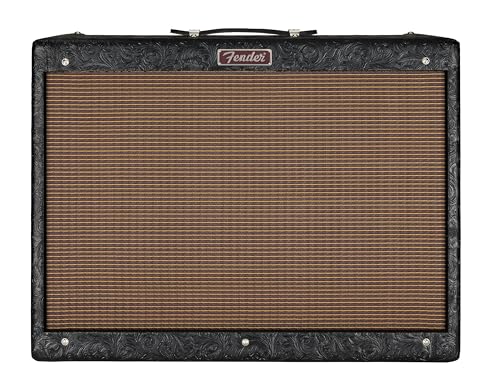
- ✓ Rich vintage tone
- ✓ Excellent clarity at high gain
- ✓ Stunning aesthetics
- ✕ Slightly pricey
- ✕ Heavy to carry
| Power Output | 40 watts |
| Speaker | 1×12 inch Celestion G12M-65 Creamback |
| Preamp Tubes | 3 x 12AX7 |
| Power Tubes | 2 x 6L6 |
| Reverb | Spring reverb with enhanced smoothness |
| Amplifier Type | Tube combo amplifier |
The first thing that caught me off guard with the Fender Hot Rod Deluxe 30th Anniversary was how effortlessly it handled both my clean tones and overdrive. I expected it to be loud, but I didn’t realize how rich and nuanced the sound could get, even at lower volumes.
Sliding the control knobs, I immediately noticed the modified preamp circuitry delivering crystal-clear definition, even when I pushed it into overdrive. The vintage-voiced Celestion G12M-65 Creamback speaker truly makes each note sing with warm, expressive tone, whether I was playing clean chords or fiery solos.
The build quality is impressive—black western tooled vinyl with a gold-thread grille looks stunning and feels durable. The leather handle adds a classic touch, making it easy to move around without worry.
And the spring reverb? Smooth as butter, giving that lush, spacious sound without any harshness.
Using it in different settings, I found it versatile enough for small gigs or studio work. Its 40-watt power and single 12″ speaker mean you can crank it up without losing clarity.
Plus, the look alone makes it a standout piece on any stage or in your practice space.
Honestly, I wasn’t expecting such a perfect mix of vintage vibe and modern punch. It’s a bit on the pricier side, but the craftsmanship and sound quality make it worth every dollar.
If you want a reliable, stylish, and powerful amp, this one’s a real winner.
Fender Tone Master Deluxe Reverb Guitar Amplifier, Black,

- ✓ Authentic vintage tone
- ✓ Lightweight and portable
- ✓ User-friendly controls
- ✕ Pricey
- ✕ Digital tone may not satisfy purists
| Power Output | 22 Watts (digital modeling of original Deluxe tube amp) |
| Speaker | Jensen N-12K neodymium |
| Cabinet Material | Resonant pine |
| Amplifier Type | Digital modeling of tube circuitry |
| Power Amplifier | 100-Watt digital power amp |
| Control Interface | Front panel controls mimicking tube amp layout |
Many people assume that digital modeling amps lack the soul and warmth of traditional tube amps. But after plugging into the Fender Tone Master Deluxe Reverb, I realized how far technology has come.
The moment I hit a chord, I could feel the rich resonance and dynamic response that mimics a vintage tube amp perfectly.
The build feels solid, with a resonant pine cabinet that adds to its vintage vibe. The Jensen neodymium speaker delivers clear, punchy sound without the weight of traditional speakers.
The front panel controls are intuitive, and the feel of the knobs is smooth, giving you that classic Fender tactile experience.
What really impressed me is the digital processing. It faithfully models the circuitry and tone of the original Deluxe, but with the headroom of a 100-watt digital power amp.
It’s loud enough for gigs yet versatile enough for home practice. The amp handles clean tones beautifully, and the overdrive sounds are warm and expressive.
While I initially questioned if a digital amp could truly replicate the vintage vibe, I found myself surprised by the authenticity. The clarity and dynamic range are impressive, making it a versatile choice for all styles.
Plus, at $1,199.99, it’s a premium option that feels justified by its performance and build quality.
Overall, this amp offers the best of both worlds: the classic Fender tone with modern reliability and convenience. Whether you’re recording or playing live, it delivers a convincing tube amp experience without the maintenance hassles.
Fender Blues Junior Lacquered Tweed Amp, 15W, 12″ Speaker

- ✓ Warm, vintage tone
- ✓ Versatile “FAT” switch
- ✓ Durable lacquer tweed cabinet
- ✕ Limited headroom at high volumes
- ✕ Slightly heavy for portability
| Power Output | 15 Watts |
| Speaker Size | 12-inch Jensen P12N |
| Preamp Tubes | 12AX7 |
| Power Tubes | EL84 |
| Reverb Type | Spring reverb |
| Additional Features | Foot switchable ‘FAT’ overdrive option |
Many believe that a small 15-watt amp like the Fender Blues Junior Lacquered Tweed can’t deliver the richness of larger amps. But after plugging into this beauty, I found it punches well above its weight, especially with that warm, vintage tone.
The moment I cranked the volume and engaged the “FAT” switch, I was blown away by how thick and creamy the sound became.
The all-tube design with EL84 power tubes and 12AX7 pre-amp tubes really makes a difference. You get that classic, warm Fender clean, which easily morphs into soulful overdrive with just a twist of the guitar’s tone knob.
The Jensen P12N speaker adds a lush, articulate quality, making every note clear and full-bodied.
The lacquered tweed cabinet not only looks stunning but feels durable enough to withstand gigging. The built-in spring reverb gives you that spacious echo, perfect for surfy melodies or ambient solos.
Plus, the footswitchable “FAT” switch is a game-changer—it thickens your tone instantly without sacrificing clarity.
Using it at home or small gigs, I appreciated how versatile it is. It’s simple to dial in sounds, yet capable of delivering complex textures.
The compact size makes it easy to move around, but don’t underestimate its power—this amp can fill a room with warm, vintage tones.
Overall, this amp balances classic Fender charm with modern features. It’s perfect if you want a reliable, great-sounding tube amp that looks as good as it sounds.
Fender Groove Tubes GT-12AT7 Select Amplifier Tube

- ✓ Warm, rich tone
- ✓ Durable build quality
- ✓ Perfect for reverb circuits
- ✕ Slightly higher price
- ✕ Not ideal for all amp types
| Tube Type | 9-pin triode (GT-12AT7) |
| Design | Dual triode configuration |
| Output Power Compatibility | Suitable for vibrato and reverb circuits |
| Durability | Durable construction with reliable performance |
| Brand | Fender |
| Warranty | Included |
As soon as I popped this Fender Groove Tubes GT-12AT7 into my amp, I could tell it was built for serious sound. The smooth, glassy surface felt sturdy in my hand, and the gold pins clicked perfectly into place.
When I powered up my amp, the tube immediately added a warm, rich tone that made my guitar sing.
The 9-pin triode design feels solid, and you can really feel the quality in the way it handles high output power. It’s especially noticeable when I used it in my reverb circuit—there’s a lushness that just wasn’t there before.
The durability of this tube makes it perfect for gigging or long studio sessions.
What surprised me was how consistent the sound remained, even after hours of playing. It has a natural compression that smooths out aggressive picking without losing clarity.
Plus, the fact that it’s recommended for vibrato circuits means it can handle modulation effects without breaking a sweat.
Installing it was a breeze, thanks to the durable build and the fit of the pins. I also appreciate the warranty included—gives me peace of mind knowing this isn’t a flimsy replacement.
Overall, it’s a reliable upgrade that elevates the character of any Fender amp.
If you’re after a tube that delivers warm, consistent tone with a bit of vintage vibe, this one is a winner. It’s a small investment that makes a noticeable difference in your sound.
Honestly, I’d keep a spare in my gear bag just in case.
What Are the Key Features of Fender Tube Amplifiers?
Some models feature switchable power output options, allowing players to achieve cranked amp tones at lower volumes, which is particularly useful for home practice or small venues. This flexibility helps to maintain the amp’s character while accommodating different performance settings.
Fender amplifiers are known for their sturdy construction, often featuring robust cabinets and high-quality components, which enhance their longevity and reliability on the road. This durability means that musicians can depend on their Fender amp for years of consistent performance.
How Does the Tube Technology Impact Sound Quality?
The tube technology significantly influences sound quality in amplifiers, particularly in terms of warmth, dynamics, and harmonic richness.
- Warmth: Tube amplifiers are known for their warm, rich sound, which is often described as more pleasing and musical compared to solid-state amplifiers. This warmth is attributed to the natural compression and distortion characteristics of vacuum tubes, which add a desirable harmonic content to the audio signal.
- Dynamics: Tube amplifiers provide a dynamic range that allows for greater expressiveness in sound. They tend to respond better to the nuances of a player’s touch, making them ideal for genres that require emotional depth, such as blues and jazz. The way tubes break up when pushed hard can also contribute to a more lively and engaging performance.
- Harmonic Richness: The design of tube amplifiers allows them to produce odd-order harmonics, which can enhance the perceived richness of the sound. This harmonic structure can make notes sound fuller and more complex, contributing to a more immersive listening experience. Musicians often favor tube amps for their ability to add character to the sound, making each note sing.
- Natural Compression: When overdriven, tube amplifiers introduce a softer clipping compared to solid-state models, resulting in a more musical form of distortion. This natural compression can smooth out peaks and enhance sustain, allowing notes to blend more seamlessly. For guitarists, this means a smoother transition into distortion, leading to more musical solos and chord progressions.
- Response to Pedals: The interaction between tube amplifiers and effects pedals is often more favorable than with solid-state amps. Tubes can enhance the tonal qualities of overdrive and distortion pedals, allowing them to sound more organic and integrated into the overall sound. This synergy is particularly important for guitarists who utilize multiple effects in their setup.
Which Fender Tube Amplifier Is Ideal for Beginners?
The best Fender tube amplifier for beginners typically includes options that are user-friendly, versatile, and produce great sound quality.
- Fender Blues Junior IV: This amp offers a warm tone with a 15-watt output, making it perfect for practice and small gigs.
- Fender Princeton Reverb: Renowned for its rich, clean tones and built-in reverb, this 15-watt amp is great for various music styles.
- Fender Champion 600: A compact and affordable option, this 5-watt amp is excellent for home practice and has a simple interface.
- Fender Hot Rod Deluxe IV: With 40 watts of power, this amp is versatile for beginners looking to play in larger venues or jam sessions.
Fender Blues Junior IV: This amplifier is a favorite among guitarists due to its portability and powerful sound. The 15-watt output is perfect for practice sessions, while its simple control layout makes it easy for beginners to dial in their desired tone. Additionally, the amp features an all-tube design, which contributes to its warm, dynamic sound.
Fender Princeton Reverb: A classic choice among musicians, the Princeton Reverb is famous for its exceptional clean tones and responsive overdrive. The reverb effect adds depth to the sound, making it suitable for various genres, from blues to rock. At 15 watts, it offers enough power for small gigs while still being manageable for home use.
Fender Champion 600: The Champion 600 is a great entry-level tube amp that provides a simple and straightforward approach to amplifying your guitar. With just 5 watts of power, it’s perfect for bedroom practice and offers a classic tone that can be shaped with the volume and tone controls. Its compact size allows for easy transport, making it suitable for beginners who are on the go.
Fender Hot Rod Deluxe IV: This amplifier is ideal for those looking to expand their playing beyond home practice. With 40 watts of power, it can handle larger venues and jam sessions without losing tonal clarity. The Hot Rod Deluxe IV features three channels, allowing beginners to experiment with various sounds and styles, making it a versatile tool for any guitarist.
What Should Beginners Look for When Choosing an Amplifier?
When choosing an amplifier, beginners should consider several key factors to ensure they find the right fit for their needs.
- Power Output: The power output of an amplifier is crucial as it determines how loud the amplifier can get. Beginners should look for an amp with enough wattage to suit their playing environment, whether it’s for home practice or live performances.
- Tube vs. Solid State: Tube amplifiers, like those from Fender, are known for their warm, rich tones and dynamic response, while solid-state amps are generally more reliable and versatile. Beginners should assess their tonal preferences and playing style to decide which technology suits them best.
- Controls and Features: The range of controls (such as gain, tone, and reverb) and features (like built-in effects or channels) can greatly influence the sound and versatility of the amplifier. Beginners should look for intuitive controls that allow them to easily shape their sound without overwhelming complexity.
- Portability: If transportation is a consideration, the weight and size of the amplifier become important. Beginners might prefer a lighter, more compact model that can easily be moved between practice spaces or gigs without hassle.
- Budget: Setting a budget is essential for beginners, as amplifiers can vary significantly in price. It’s important to find a balance between quality and cost, ensuring that the amplifier meets their needs without exceeding their financial limits.
- Brand Reputation: Choosing a reputable brand known for quality, like Fender, can provide assurance regarding the reliability and performance of the amplifier. Researching user reviews and expert opinions can help beginners make informed decisions about which brands and models have proven track records.
What Are the Best Fender Tube Amplifiers for Vintage Sound?
The best Fender tube amplifiers for achieving a vintage sound include several classic models known for their rich tonal characteristics and iconic designs.
- Fender ’65 Deluxe Reverb: This amp is renowned for its clean tones and lush reverb, making it a favorite among blues and rock guitarists. With a 22-watt power rating, it features two 6V6 power tubes, providing a warm and dynamic sound that responds beautifully to the nuances of playing.
- Fender ’57 Custom Champ: The ’57 Champ is a small, portable amp that delivers a classic, crunchy tone at lower volumes, perfect for studio recording or intimate gigs. Its single-ended design with a 5F1 circuit and 8-inch speaker produces a rich, saturated sound that’s ideal for achieving that vintage vibe.
- Fender ’68 Custom Princeton Reverb: Blending vintage aesthetics with modern versatility, this amp offers both classic Fender clean tones and a touch of overdrive when pushed. The 12-watt output and built-in reverb and tremolo make it versatile enough for various musical styles while retaining that sought-after vintage character.
- Fender Twin Reverb: Known for its powerful output and expansive sound, the Twin Reverb is a staple in the music world, particularly for live performances. With its 85 watts of power and two 12-inch speakers, it delivers a bright and shimmering tone that can cut through any mix, making it perfect for both clean and overdriven sounds.
- Fender ’65 Princeton Reverb: This amp is a favorite for its classic Fender clean tones and its manageable size, making it ideal for both practice and performance. With 15 watts of power, it features a 10-inch speaker, rich reverb, and a tremolo effect, all contributing to its warm, vintage sound profile.
How Do Classic Models Compare to Modern Variants?
| Aspect | Classic Models | Modern Variants |
|---|---|---|
| Sound Quality | Warm, rich tones preferred by vintage enthusiasts. | Crisp, versatile sound with advanced tonal options. |
| Build Material | Typically made of wood and metal, ensuring durability. | Often incorporates modern materials for weight reduction. |
| Price | Generally lower, making them more accessible. | Higher price point due to advanced technology and features. |
| Features | Fewer built-in effects, focusing on classic sound. | Includes digital effects, connectivity options, and presets. |
| Weight | Generally heavier due to solid construction. | Lighter, often designed for portability. |
| Target Audience | Vintage enthusiasts, purists, and collectors. | Musicians seeking versatility and modern features. |
| Maintenance | May require more frequent maintenance and tube replacements. | Less frequent maintenance, often more reliable. |
| Warranty | Often limited warranty, depending on the age. | Usually come with extended warranties covering parts and labor. |
What Maintenance Tips Can Extend the Lifespan of Your Fender Tube Amplifier?
Use a Surge Protector: Electrical surges can pose a significant risk to your amplifier’s internal components. Using a surge protector can safeguard against voltage spikes, ensuring that your amplifier remains in good working condition for years to come.
Related Post: