
The first thing that struck me about the Fender Rumble 200 V3 Bass Combo Amp wasn’t its power, but how lightweight and portable it feels—only 34.5 pounds, yet it delivers a punchy 200W. I tested its effects and contour controls, and it swiftly went from gritty growl to slap-ready modern tones, making it perfect for gigging on short notice.
Whether just practicing with headphones or jamming along with tracks via its auxiliary input, this amp nails versatility. It handles gig conditions with ease, maintaining deep bass and volume without feeling bulky. After comparing it with larger amps like the Fender Rumble Stage 800 and specialized guitar amps like the Hot Rod Deluxe, it’s clear this combo offers the best balance of power, portability, and tone control—specially suited for bass players ready to hit the stage confidently.
Top Recommendation: Fender Rumble 200 V3 Bass Combo Amp, 200W, Effects, Black
Why We Recommend It: This amp excels because it combines powerful bass response with lightweight design, making it highly portable. Its switchable contour and overdrive circuits provide crucial tone shaping, and the headphone/auxiliary inputs boost practice flexibility. While the Stage 800 offers more wattage and control via app, the Rumble 200’s size, balanced features, and lower price deliver unmatched practical value for gigging musicians.
Best gigging amplifier: Our Top 5 Picks
- Fender Rumble 200 V3 Bass Combo Amp, 200W, Effects, Black – Best Value
- Fender Rumble Stage 800 Bass Amp, 800W, Bluetooth, Effects – Best Premium Option
- Fender Hot Rod Deluxe 30th Anniversary 40-Watt Guitar Amp – Best guitar amplifier for gigging
- Fender Blues Junior IV Guitar Amplifier Speaker, Black, – Best for Beginners
- Fender Champion II 25 Watt Electric Guitar Combo Amp, – Best Most Versatile
Fender Rumble 200 V3 Bass Combo Amp, 200W, Effects, Black

- ✓ Lightweight and portable
- ✓ Versatile tone controls
- ✓ Powerful 200W output
- ✕ Slightly pricey
- ✕ Limited effects options
| Power Output | 200 watts (class D amplifier) |
| Speaker Configuration | Ported enclosure with integrated speaker |
| Weight | 34.5 pounds (15.65 kg) |
| Inputs | 1/8 inch (3.5mm) auxiliary input and headphone output |
| Effects | Built-in effects with overdrive circuit and switchable contour controls |
| Additional Features | Lightweight design suitable for gigging, 2-year limited warranty |
You’re hauling your bass gear to a gig, and suddenly, the weight feels like a burden you didn’t sign up for. That is, until you pick up the Fender Rumble 200 V3.
It’s surprisingly light at just 34.5 pounds, but don’t let that fool you—this amp packs a punch.
The first thing you’ll notice is how solid the build feels. The black finish and sturdy handle make it look professional, while the ported speaker enclosure hints at deep, resonant bass.
It’s easy to carry, and the size is perfect for gigging without feeling bulky.
Once you plug in, the true versatility shines. You can dial in everything from a gritty, vintage growl to a modern slap tone with the newly-developed overdrive circuit.
The switchable contour controls help shape your sound on the fly, which is a game-changer during live performances.
The 200-watt class D power amp delivers loud volume without distortion, even at higher volumes. And if you want to practice quietly, the headphone output mutes the speaker instantly.
Plus, the auxiliary input lets you jam along with your favorite tracks—no fuss, just instant band practice.
The effects section adds even more flexibility, letting you tweak your tone right on stage. Considering the price, the 2-year warranty offers peace of mind, making this a reliable choice for gigs or rehearsals.
Overall, this amp combines portability, power, and tonal flexibility in a sleek package. It’s perfect if you need something lightweight but capable of filling a room with rich bass sound.
Fender Rumble Stage 800 Bass Amp, 800W, Bluetooth, Effects

- ✓ Powerful 800W output
- ✓ Easy Bluetooth control
- ✓ Versatile effects and connectivity
- ✕ Higher price point
- ✕ Slightly bulky for casual gigs
| Power Output | 800 watts |
| Speaker Configuration | Two 10-inch Fender special design speakers with compression tweeter |
| Connectivity Options | Bluetooth, aux input, XLR line outputs, USB output, headphone output |
| Built-in Effects | Includes digital effects |
| Control and Presets | Free tone app for preset access, management, and editing |
| Additional Features | Stereo send and return for external effects |
As I unboxed the Fender Rumble Stage 800, I was surprised by how lightweight it felt. For an 800-watt amp, I expected something bulkier, but it’s surprisingly portable, especially considering its power.
The sleek, modern design with a sturdy handle makes it easy to carry around without feeling like you’re lugging a heavy suitcase.
The first thing I noticed was the impressive build quality. The two 10″ Fender-specific speakers, combined with a compression tweeter, deliver a crisp, punchy sound.
Tapping into the Bluetooth streaming feature, I effortlessly played some tracks from my phone, and the sound quality stayed crystal clear at all volumes.
Using the free tone app was a game-changer. I could quickly tweak presets, save favorite tones, and manage effects without fiddling with tiny knobs.
It’s intuitive and responsive, making live adjustments seamless during gigs. The amp’s multiple connectivity options—XLR, aux, USB, and headphone—cover all my needs, whether I’m rehearsing, recording, or performing live.
What really stood out was the stereo send and return, giving me flexibility with external effects. The effects themselves are versatile, adding everything from a subtle chorus to full-on distortion with ease.
Plus, the Bluetooth control means I can change settings discreetly while on stage, which is a nice touch for quick sound tweaks.
On the downside, the price is steep, and the advanced features might be overkill for casual players. Also, the amp’s size, while portable for an 800W unit, still requires a dedicated gig bag or case for transport.
But overall, it’s a solid choice if you need serious power, connectivity, and convenience.
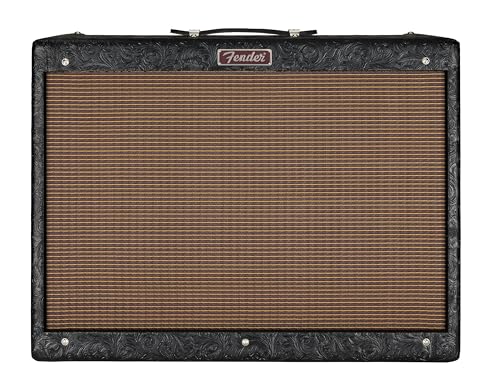
Fender Hot Rod Deluxe 30th Anniversary 40-Watt Guitar Amp
- ✓ Rich vintage tone
- ✓ Easy to dial in
- ✓ Durable build quality
- ✕ Pricey
- ✕ Heavy for transport
| Power Output | 40 Watts |
| Speaker | 1×12-inch Celestion G12M-65 Creamback |
| Preamp Tubes | 3 x 12AX7 |
| Power Tubes | 2 x 6L6 |
| Reverb | Spring reverb with improved smoothness |
| Amplifier Type | Combo amplifier with tube circuitry |
As soon as I unboxed the Fender Hot Rod Deluxe 30th Anniversary, I was struck by its bold, vintage look—black western tooled vinyl paired with a classic brown grille cloth and a sturdy leather handle. It feels substantial in your hands, built to last, and the craftsmanship screams quality.
Plugging in, the first thing I noticed was the rich, warm sound from that Celestion G12M-65 Creamback speaker. Whether I kept it clean or pushed it into overdrive, the tone stayed tight and expressive.
The modified preamp circuitry really makes a difference, providing clarity even when the amp is cranked up high.
Adjusting the controls is a breeze. The amp’s clean channel is sparkling, perfect for cleaner jazz or funk tones, while the overdrive has a smooth, gritty edge that’s great for rock and blues.
The spring reverb is a standout—swirling smoothly without sounding too splashy, which is a real bonus for live gigs.
I played it at different volumes, and it handled everything with ease. The 40 watts give you enough power to fill small to medium venues without breaking a sweat.
Plus, the overall look and feel make it feel like a premium piece—definitely a head-turner on stage.
While it’s fantastic for gigging, the price tag is on the higher side. Also, it’s a bit bulky for quick setups if you’re on the move constantly.
Still, for those who want a reliable, versatile amp with vintage vibes, this one hits all the right notes.
Fender Blues Junior IV Guitar Amplifier Speaker, Black,

- ✓ Rich, full tone
- ✓ Easy to use controls
- ✓ Portable and lightweight
- ✕ Slightly pricey
- ✕ Limited wattage for large gigs
| Power Output | 15 Watts |
| Speaker | Celestion 12″ A-Type |
| Preamp Circuit | Modified for increased fullness |
| Reverb | Spring reverb modified for improved smoothness |
| Footswitch | Includes 1-button footswitch for Mid boost |
| Intended Use | Best gigging amplifier |
The first thing that hits you when you turn on the Fender Blues Junior IV is how rich and full that 15-watt tone sounds through the Celestion 12″ A-Type speaker. It’s like the amp breathes new life into your guitar, filling the room with warm, punchy sound without needing to crank it up too loud.
The preamp circuit has been tweaked to add more fullness, and you really notice it when you hit those mid-range chords. They’re thick, articulate, and have just enough bite to cut through a mix without sounding harsh.
The spring reverb is also noticeably smoother—perfect for adding subtle ambiance or lush washes without sounding muddy.
The built-in mid boost button is a game-changer during gigs. Just a tap, and your solos or leads instantly punch through the band, giving you that extra push without messing with your tone.
The compact size and lightweight design make it super portable, so you can grab it and go without breaking your back.
Handling the controls feels intuitive, with clear knobs and a simple layout. The overall build is solid, with a classic Fender vibe that looks as good as it sounds.
It’s perfect for gigging, practice, or even recording—delivering versatility and tone in a small package.
If you’re after a gig-ready amp that sounds great at any volume, this one’s a solid choice. It’s not overly complicated but offers enough tonal flexibility to cover a wide range of styles.
Just keep in mind, at $789.99, it’s a bit of an investment, but the quality makes it worth it.
Fender Champion II 25 Watt Electric Guitar Combo Amp,

- ✓ Compact and portable
- ✓ Versatile built-in effects
- ✓ Easy tempo synchronization
- ✕ Not suited for large venues
- ✕ Single channel design
| Power Output | 25 watts RMS |
| Speaker Size | 8-inch Fender special design guitar speaker |
| Effects Types | Reverb, Delay/Echo, Chorus, Tremolo, Vibratone |
| Connectivity Options | 1/8-inch auxiliary input, headphone output, USB port |
| Dimensions | 16.4 inches deep x 14.1 inches wide x 10.1 inches high |
| Warranty | 2-year limited warranty |
The moment I dialed in the Fender Champion II and hit a chord, I was immediately impressed by how punchy and clear that 8-inch Fender special design speaker sounded. It’s compact, but it packs a surprisingly powerful punch for gigging or rehearsals.
The built-in effects like reverb, delay, and chorus are right at your fingertips, and I loved how easily I could tap the button to sync delay times to my tempo—makes my sound feel more polished without fuss.
The interface is straightforward, with a single channel that’s perfect for quick adjustments on stage. The TAP button for effects timing really stands out—it’s super handy, especially when you’re switching between songs or styles.
The auxiliary input lets me jam along with backing tracks, and the headphone jack is a lifesaver for late-night practice without waking the neighbors.
Handling the amp feels solid—it’s lightweight enough to carry around, yet well-built with Fender’s signature quality. The USB port is a nice touch for recording or direct connection to your computer, making it versatile for both gigs and home use.
The sound itself is versatile, able to handle everything from clean jazz tones to gritty rock distortions, all without losing clarity.
Of course, it’s not a high-wattage powerhouse, so if you’re playing huge venues, you might need something bigger. Still, for its size and price, it hits a sweet spot for gigging musicians who want portability without sacrificing tone.
Plus, the 2-year warranty gives some peace of mind.
What Features Make for the Best Gigging Amplifier?
The best gigging amplifier should possess several essential features that enhance performance and versatility on stage.
- Portability: A lightweight and compact design is crucial for gigging musicians who need to transport their gear frequently. An amplifier that is easy to carry can save time and effort during setup and tear down, allowing for a smoother performance experience.
- Power Output: The amplifier should have sufficient wattage to fill the venue without distortion, typically ranging from 20 to 100 watts depending on the size of the space. Higher power output not only ensures better sound projection but also allows for a fuller tone at higher volumes.
- Versatile Tone Controls: Features like EQ controls, gain, reverb, and various amp models or effects can help musicians customize their sound for different genres and settings. A versatile amplifier allows performers to adapt their tone quickly between songs or styles, making it suitable for diverse performances.
- Durability: A robust construction is essential to withstand the rigors of touring and live performances. Look for amplifiers made with high-quality materials that can resist wear and tear, as well as features like reinforced corners and sturdy handles for added protection.
- Connectivity Options: Having multiple input/output options, such as effects loops, line out, and direct recording capabilities, enhances the amplifier’s versatility. This allows musicians to integrate their amp with other gear, like effects pedals or recording equipment, facilitating a wide range of performance and recording scenarios.
- Speaker Configuration: The type and configuration of speakers can significantly impact the overall sound. An amplifier with multiple speakers or a larger speaker size typically provides better sound clarity and depth, which is crucial for live performances.
- Reliability: An amplifier that is known for its reliability under various conditions will give musicians peace of mind during performances. Choosing a brand with a good reputation for building dependable gear can prevent issues that might disrupt a show.
Why is Portability Essential for a Gigging Amplifier?
Portability is essential for a gigging amplifier because musicians need to easily transport their gear to various venues, which often vary in size and accessibility. A lightweight and compact amplifier allows for quick setup and teardown, enabling artists to focus on their performance rather than the logistics of moving heavy equipment.
According to a study published by the National Association of Music Merchants, nearly 70% of gigging musicians prioritize portability when selecting their amplifiers. This reflects a broader trend in the music industry where artists frequently perform at diverse locations, from small clubs to outdoor festivals, where having a portable solution can significantly enhance their efficiency and performance experience.
The underlying mechanism for this necessity lies in the physical demands of live performances. Musicians often need to navigate through crowded spaces and set up in limited areas, making bulky equipment impractical. Additionally, the strain of transporting heavy gear can lead to fatigue, which directly affects a musician’s performance quality. By choosing a portable gigging amplifier, musicians can reduce the risk of injury and ensure they arrive at each gig ready to deliver their best work.
How Does Power Rating Affect Performance?
The power rating of an amplifier significantly affects its performance, particularly in live settings where volume and clarity are essential.
- Wattage: The wattage of an amplifier indicates how much power it can deliver to the speakers, which directly influences the loudness of the sound produced. Higher wattage typically allows the amplifier to produce cleaner sound at higher volumes without distortion, making it more suitable for gigging situations where you need to compete with drums and other instruments.
- Headroom: Headroom refers to the amount of power available before distortion occurs. An amplifier with ample headroom can handle sudden volume spikes, ensuring that your sound remains clear and powerful even during dynamic performances. This is particularly important for gigging amplifiers, as it helps maintain audio quality across various playing styles and volume levels.
- Speaker Efficiency: The efficiency of the speakers used in conjunction with the amplifier also plays a critical role in performance. A higher efficiency rating means that less power is needed to produce the same volume, allowing for a more portable and lighter setup while still delivering great sound quality. This is particularly advantageous for gigging musicians who often transport their equipment frequently.
- Impedance Matching: Understanding the impedance rating of both the amplifier and the speakers is essential to ensure optimal performance. Incorrect matching can lead to reduced power transfer and can even damage equipment. A well-matched system allows for better sound reproduction and maximizes the amplifier’s power rating, ensuring you get the best performance during gigs.
- Sound Quality: The power rating can also influence the overall sound quality produced by the amplifier. High-quality components used in amplifiers with higher power ratings tend to provide better tonal clarity and dynamic response, which is crucial for delivering a professional sound in live performances. This aspect is often a deciding factor when choosing the best gigging amplifier for your needs.
What Types of Gigging Amplifiers Are Available?
The best gigging amplifiers come in various types tailored to different musical styles and performance needs.
- Tube Amplifiers: Tube amplifiers are known for their warm, rich sound and dynamic response, making them a favorite among many professional musicians. They excel in delivering musical tones that can break up nicely when pushed, adding a desirable overdrive characteristic that is often sought after in rock and blues genres.
- Solid State Amplifiers: Solid state amplifiers use transistor technology to produce sound, providing reliability and consistency in performance. They are typically lighter and more durable than tube amps, making them ideal for touring musicians who require an amplifier that can withstand the rigors of transportation.
- Hybrid Amplifiers: Hybrid amplifiers combine elements of both tube and solid state technology, often using tubes in the preamp section and solid state in the power section. This design aims to capture the warmth of tube sound while benefiting from the reliability and efficiency of solid state components, offering versatility for various musical styles.
- Modeling Amplifiers: Modeling amplifiers utilize digital technology to emulate the sound of various amplifier types and effects, allowing musicians to access a wide range of tones in a single unit. These amps are particularly advantageous for performers who need to switch between different sounds quickly, making them popular in diverse genres, from rock to jazz.
- Battery-Powered Amplifiers: Battery-powered amplifiers are designed for portability and convenience, allowing musicians to perform in settings where traditional power sources are unavailable. They are often lightweight and compact, making them ideal for busking or outdoor performances, while still providing a decent sound quality for practice and small gigs.
What Are the Key Differences Between Tube and Solid-State Amplifiers?
| Aspect | Tube Amplifiers | Solid-State Amplifiers |
|---|---|---|
| Sound Quality | Often warmer and richer sound, favored for its natural distortion. | Cleaner and more accurate sound, better for high-gain applications. |
| Maintenance | Requires regular tube replacement and is more sensitive to temperature. | Generally low-maintenance with no tubes to replace. |
| Weight | Usually heavier due to the components and transformers used. | Lighter and more portable, suitable for gigging musicians. |
| Cost | Typically more expensive due to the manufacturing process and components. | More affordable options available, suitable for budget-conscious players. |
| Dynamic Range | Excellent dynamic range, responds well to playing style. | Good dynamic range, but may lack warmth compared to tubes. |
| Durability and Reliability | More fragile due to glass tubes; can fail unexpectedly. | Generally more durable and reliable in various conditions. |
| Typical Use Cases | Preferred for studio recordings and live performances requiring rich tone. | Ideal for practice, gigs, and situations needing portability and reliability. |
In What Ways Do Digital Amplifiers Enhance Performance?
Digital amplifiers enhance performance in several significant ways:
- Improved Efficiency: Digital amplifiers operate with much higher efficiency compared to traditional analog amplifiers. This means they can deliver more power to the speakers with less energy wasted as heat, allowing for longer performance times and reduced need for heavy cooling systems.
- Compact Size: The design of digital amplifiers allows them to be smaller and lighter than their analog counterparts. This compactness makes them ideal for gigging musicians who need portable equipment without sacrificing sound quality.
- Advanced Processing Capabilities: Digital amplifiers often include built-in digital signal processing (DSP) features, which allow for real-time adjustments of tone, effects, and EQ settings. This capability enables musicians to tailor their sound to suit different venues and styles easily.
- Consistent Sound Quality: Digital amplifiers maintain sound quality at various volume levels, reducing distortion and maintaining clarity even at high outputs. This consistency is crucial for live performances where sound integrity is essential.
- Integration with Digital Systems: These amplifiers can easily integrate with other digital equipment, such as mixers and audio interfaces, providing a seamless performance experience. This compatibility is beneficial for musicians who use advanced audio setups in their gigs.
How Can You Select the Right Amplifier for Your Genre?
Selecting the right amplifier for your genre is crucial for achieving the desired sound and performance during gigs.
- Power Rating: The power rating of an amplifier is essential as it determines the loudness and headroom available for your performance. For genres like rock or metal, a higher wattage (e.g., 50-100 watts) is often necessary to ensure you can compete with drums and other instruments, while genres like jazz or acoustic may require less power.
- Speaker Configuration: The speaker configuration affects the tonal characteristics and volume of the amplifier. For example, a 1×12″ setup may provide a warm, focused sound suitable for blues, while a 4×12″ cabinet can deliver a punchy and aggressive tone that is favored in heavy metal, allowing for greater bass response and presence.
- Tube vs. Solid State: The choice between tube and solid-state amplifiers can significantly influence your sound. Tube amplifiers are often preferred for their warm, natural compression and dynamic response, making them ideal for rock and blues, while solid-state amplifiers offer reliability and consistent performance, which can be beneficial for genres that require clean tones or high gain settings like pop or metal.
- Features and Effects: Many amplifiers come with built-in effects and features such as reverb, delay, or overdrive that can add depth to your sound without needing additional pedals. Depending on the genre, you may prioritize specific effects; for instance, a country guitarist might look for a clean sound with reverb, while a grunge player might need fuzz and distortion functionalities.
- Portability: As a gigging musician, the weight and size of your amplifier are crucial for transportation. You may want a lightweight combo amp if you’re frequently moving venues, especially for genres that involve a lot of travel, like folk or acoustic performances, while heavier setups may be more suitable for fixed venues where sound quality is paramount.
- Brand Reputation: The reputation of the amplifier brand can also be an important factor in your decision. Well-established brands often have a history of reliability and quality, and their products may be tailored to specific genres, giving you a better likelihood of finding an amplifier that suits your sound preferences.
What Considerations Should Musicians Make Based on Their Genre?
Musicians should consider various factors influenced by their genre when selecting the best gigging amplifier.
- Power Output: The required wattage often varies by genre; for instance, rock and metal genres typically benefit from higher wattage to achieve the necessary volume and headroom, while genres like jazz or acoustic may need less power, focusing instead on tone quality.
- Sound Characteristics: Different genres have unique tonal requirements; for example, blues musicians might prefer warm, overdriven tones, whereas pop musicians might need a clean, pristine sound. The amplifier’s ability to shape and manipulate tone is crucial for achieving the desired sound profile.
- Portability: Genres that require frequent gigging, such as folk or indie, may need lighter, more portable amplifiers that are easy to transport, while heavier genres might prioritize power and feature-rich setups, even if they are bulkier.
- Effects Compatibility: Musicians in genres like rock or electronic music often utilize a variety of effects pedals, requiring amplifiers with good loop functionality and a clean signal path. In contrast, genres like classical may not need extensive effects, allowing for simpler setups.
- Durability and Reliability: Genres that involve extensive touring, such as metal or punk, necessitate rugged amplifiers that can withstand the rigors of travel and performance. Reliability is key to ensure consistent sound quality and functionality during gigs.
- Budget: Different genres can have varied budget constraints; for instance, indie musicians might seek affordable options without sacrificing quality, while established rock bands may invest in high-end models for superior performance. Balancing cost with the amplifier’s features is essential.
Why Do Preferences Vary Between Different Music Styles?
Preferences vary between different music styles due to a combination of psychological, cultural, and social influences that shape individual tastes and experiences.
According to a study published in the journal “Psychology of Music,” factors such as personality traits, age, and cultural background significantly influence music preferences (Rentfrow & Gosling, 2003). This research indicates that extroverted individuals often gravitate towards more energetic and rhythmic genres, such as pop or dance, while those with higher levels of openness may prefer complex and unconventional styles like jazz or classical.
The underlying mechanism behind these preferences can be attributed to both cognitive and emotional responses to music. For instance, music evokes emotions through its structure, instrumentation, and lyrics, which can resonate differently with individual listeners based on their life experiences and cultural context. Additionally, social interactions play a key role; music is often associated with group identity or social belonging, leading individuals to adopt specific genres that align with their peer groups or communities. This social reinforcement further solidifies and diversifies music preferences across different demographics.
What Feedback Can Help You Choose the Best Gigging Amplifier?
When selecting the best gigging amplifier, various types of feedback can guide your decision-making process.
- Sound Quality: The tonal characteristics and sound clarity are essential; seek feedback on how the amplifier performs across different frequencies and genres.
- Portability: Consider the size and weight of the amplifier, as feedback about ease of transportation can significantly impact your gigging experience.
- Durability: Look for opinions on the build quality and reliability of the amplifier, especially in live settings where equipment is frequently moved and set up.
- Features and Controls: User feedback on the amplifier’s features, such as EQ options, built-in effects, and connectivity, can help determine if it meets your specific performance needs.
- Price-to-Performance Ratio: Insights regarding the amplifier’s value for money can help you understand whether its features and quality justify the cost, especially when comparing multiple models.
Sound quality is crucial for a gigging amplifier, as it determines how well the amplifier can reproduce tones and respond to different musical styles. Musicians often share their experiences regarding the tonal richness and clarity, which can significantly influence your choice, ensuring the amp complements your instrument and playing style.
Portability is another vital consideration, especially for gigging musicians. Feedback regarding the amplifier’s weight and size can help you assess whether it can be easily transported to venues without compromising sound quality or power.
Durability is essential for any gigging equipment, and user reviews often highlight how well an amplifier holds up under the rigors of travel and performance. A robust build can prevent potential issues during a live show, ensuring reliability when it matters most.
Features and controls play a significant role in how versatile an amplifier can be for different performance scenarios. Feedback about the ease of use and the effectiveness of features like EQ settings and effects can help you decide if the amplifier can adapt to your needs during live performances.
Finally, understanding the price-to-performance ratio is critical; feedback from other musicians regarding whether the amplifier’s price aligns with its performance can guide you in making a financially sound decision. This insight ensures you invest in an amplifier that not only meets your sound requirements but also fits within your budget.
What Issues Have Musicians Encountered with Traditional Amplifiers?
Musicians have faced several issues with traditional amplifiers that can affect their performance and sound quality.
- Weight and Portability: Traditional amplifiers are often heavy and cumbersome, making them difficult to transport to gigs. This can be a significant drawback for musicians who frequently travel or have to carry their gear over long distances.
- Heat Generation: Many traditional amplifiers generate a substantial amount of heat during operation, which can lead to overheating and potential damage. This can be particularly problematic during long performances or in warm environments.
- Power Requirements: Conventional amplifiers typically require a significant amount of power to operate, which may not always be available in certain venues. This can limit where musicians can perform or necessitate the use of additional equipment to meet power needs.
- Limited Sound Versatility: Traditional amplifiers may have a fixed tonal range and fewer built-in effects, which can restrict a musician’s ability to customize their sound. This limitation can be frustrating for performers looking to explore different musical styles or achieve a unique sound.
- Maintenance and Repair: Tube amplifiers, in particular, require regular maintenance and can be prone to issues such as blown tubes. This can lead to unexpected downtime and repair costs that can be burdensome for gigging musicians.
- Feedback and Noise Issues: Traditional amplifiers can be more susceptible to feedback and unwanted noise, especially in live settings. This can disrupt performances and make it challenging for musicians to achieve their desired sound on stage.
How Do User Reviews Influence Amplifier Choices?
User reviews play a significant role in influencing amplifier choices, particularly when searching for the best gigging amplifier.
- Real-World Experience: User reviews provide firsthand accounts of how an amplifier performs in actual gigging situations.
- Sound Quality Insights: Reviews often highlight the tonal characteristics of amplifiers, helping musicians gauge if the sound fits their style.
- Durability Feedback: Many reviews discuss the build quality and reliability of amplifiers, which is crucial for performers who need dependable gear.
- Value for Money: Users frequently comment on whether the amplifier delivers a good balance of features and price, assisting others in making cost-effective choices.
- Comparison with Other Models: Reviews often compare amplifiers to similar models, providing context that can influence a musician’s decision.
User reviews provide firsthand accounts of how an amplifier performs in actual gigging situations. These experiences can shed light on usability, setup time, and how the amp handles various venues, which are essential factors for any performing musician.
Reviews often highlight the tonal characteristics of amplifiers, helping musicians gauge if the sound fits their style. Users typically share their preferences for certain genres, which can be invaluable for someone looking for specific sound qualities in a gigging amplifier.
Many reviews discuss the build quality and reliability of amplifiers, which is crucial for performers who need dependable gear. An amplifier that fails during a live performance can be disastrous, so insights on durability can heavily influence purchase decisions.
Users frequently comment on whether the amplifier delivers a good balance of features and price, assisting others in making cost-effective choices. This feedback helps potential buyers assess if they are getting their money’s worth based on other users’ experiences.
Reviews often compare amplifiers to similar models, providing context that can influence a musician’s decision. This comparative analysis can highlight unique features or drawbacks that may not be evident in product descriptions, helping users choose the best option for their needs.
How Can You Maximize the Performance of Your Gigging Amplifier?
To maximize the performance of your gigging amplifier, consider the following tips:
- Choose the Right Speaker Configuration: Selecting the appropriate speaker configuration can significantly impact sound quality and volume. Different setups, like 1×12, 2×12, or 4×12, offer varying tonal characteristics and projection, allowing you to tailor your sound to the venue.
- Utilize Quality Cables: High-quality instrument and speaker cables can reduce signal loss and interference, ensuring a clearer sound. Investing in robust cables can also enhance durability and reliability during performances, minimizing the risk of technical issues.
- Optimize EQ Settings: Properly adjusting the equalization settings on your amplifier can enhance your tone and adapt to different performance environments. Understanding how to manipulate the bass, mid, and treble frequencies allows you to achieve a balanced sound that cuts through the mix.
- Incorporate Effects Wisely: Using effects pedals can expand your tonal palette, but it’s essential to use them judiciously. Overloading your sound with too many effects can muddy your tone, so selecting a few key pedals and learning how to use them effectively will maximize your amplifier’s performance.
- Maintain Your Equipment: Regularly checking and maintaining your amplifier and related gear can prevent issues during gigs. This includes cleaning connections, checking tubes or transistors, and ensuring any digital components are functioning correctly, which can prolong the life of your gear and ensure consistent performance.
- Adjust Volume and Gain Levels: Finding the right balance between volume and gain is crucial for achieving the best sound without distortion. Too much gain can lead to unwanted feedback, while too low can result in a lack of presence in the mix; careful calibration will enhance your overall performance.
- Practice in Different Settings: Familiarizing yourself with your amplifier in various environments can help you understand how it reacts to different acoustics. This practice will allow you to make quick adjustments during live performances, ensuring you can adapt to the unique challenges of each venue.
What Maintenance Tips Should Every Musician Know?
Every musician should be aware of essential maintenance tips to ensure their gear remains in top condition and delivers optimal performance.
- Regular Cleaning: Keeping your equipment clean is fundamental for longevity and performance.
- Proper Storage: Storing your gear appropriately can prevent damage and wear when not in use.
- Routine Inspections: Conducting frequent checks on your instruments and amplifiers can help identify potential issues before they become serious problems.
- Humidity Control: Managing humidity levels is crucial for wooden instruments to avoid warping and damage.
- String Maintenance: Regularly changing and cleaning strings can greatly enhance sound quality and playability.
- Power Supply Care: Ensuring your amplifiers and effects pedals have a stable power supply can prevent failures during performances.
- Firmware Updates: Keeping digital equipment updated can improve functionality and incorporate new features.
Regular cleaning involves wiping down your instruments and amplifiers to remove dust, sweat, and oils that can deteriorate their surfaces and internal components. For amplifiers, using a soft cloth and appropriate cleaning solution will maintain both appearance and function.
Proper storage means keeping your instruments in hard cases or padded bags when not in use, away from extreme temperatures and direct sunlight, which can cause physical damage. Additionally, using stands and wall mounts can prevent accidental falls and scratches.
Routine inspections should include checking for any signs of wear, such as frayed cables, loose knobs, or cracks in the body of instruments. Identifying these issues early can save costly repairs later.
Humidity control is particularly important for acoustic instruments, as excessive moisture can lead to swelling, while low humidity can cause cracking. Using a hygrometer and a suitable humidifier or dehumidifier ensures that your instruments remain in optimal condition.
String maintenance entails regularly changing strings based on usage and cleaning them with specialized products to remove dirt and oils. Fresh strings not only sound better but also improve tuning stability and playability.
Power supply care includes using quality power strips and surge protectors to safeguard against power surges, which can damage your amplifiers and pedals. Always ensure cables are in good condition and properly connected to avoid interruptions during gigs.
Firmware updates for digital equipment, such as multi-effects processors or digital amplifiers, are vital for maintaining compatibility and performance. Manufacturers often release updates that fix bugs or enhance features, so regularly checking for updates can keep your gear running smoothly.
How Can Proper Setup Improve Your Amplifier’s Output?
Power supply considerations are often overlooked but essential; using a dedicated power source or a power conditioner can protect your amplifier from voltage spikes and interference, leading to a more reliable performance during gigs.
Related Post: